
Words by Matt and WahyuUnless otherwise stated, all images are our own. Please contact us before reproducing or using them.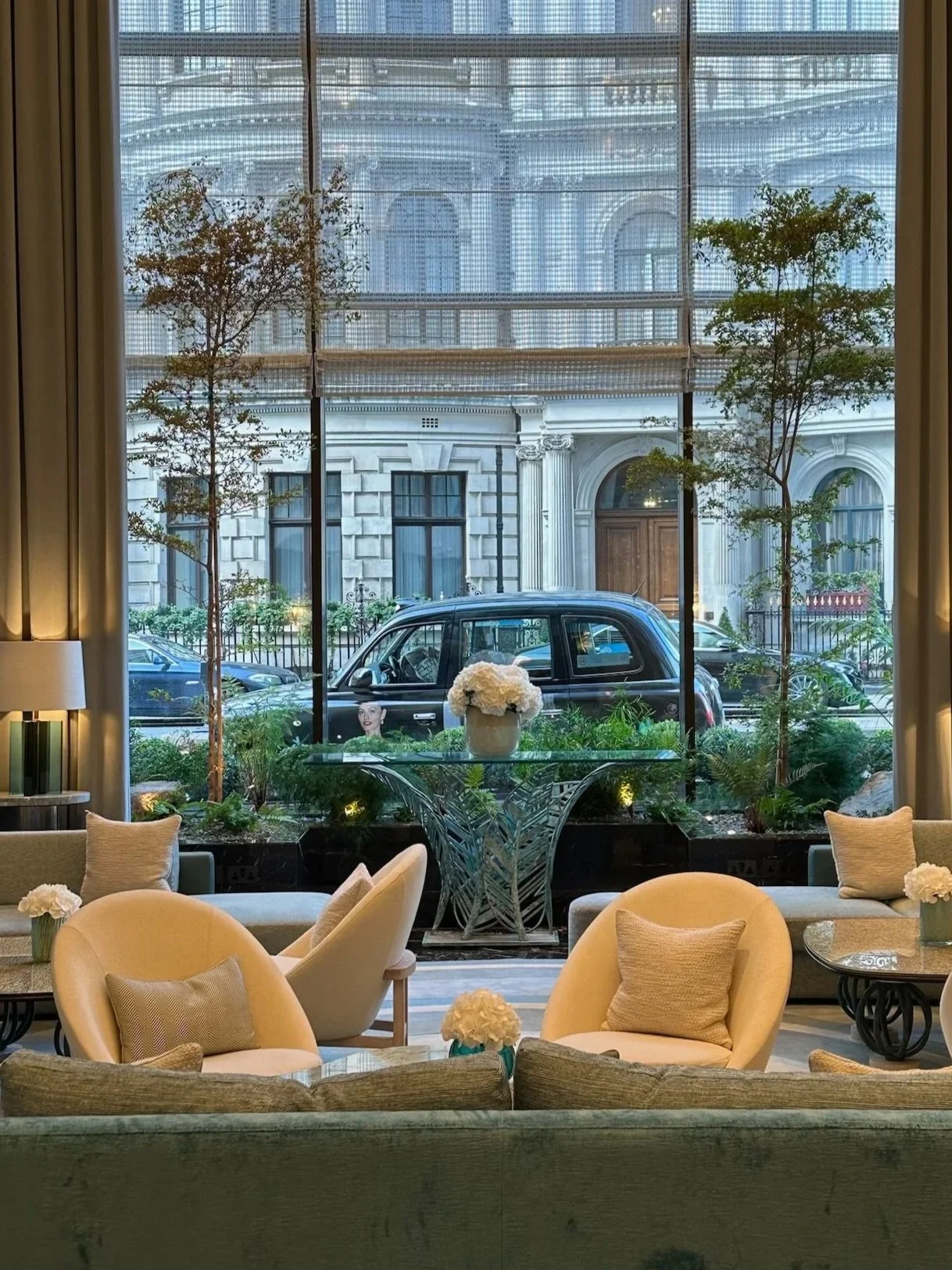
If you are considering booking a Four Seasons for the first time, there is a fairly obvious question: what are you actually paying for?
Because Four Seasons is rarely the cheap option. In some destinations, it can sit alongside Aman, Rosewood, Mandarin Oriental, Ritz-Carlton and a growing number of very good independent hotels, all promising their own version of luxury. The rooms will be beautiful, the pools will probably photograph well and somebody somewhere will have designed a very nice breakfast.
So what makes Four Seasons different? And, more importantly, is that difference actually worth paying for?
We have a slightly unusual perspective on this. Between us, we've stayed at more than 20 Four Seasons hotels and resorts, from the Maldives and Bali to Bangkok, Hong Kong, London, Doha, Langkawi and Hoi An. Wahyu also spent six years working for Four Seasons Resorts Bali, starting in Concierge before moving into PR and Communications across both Jimbaran Bay and Sayan.
We are also completely capable of admitting that we have a soft spot for the brand.
But that doesn't mean we think every Four Seasons is automatically brilliant, or that it will always be the hotel we'd choose.
The short answer is this: Four Seasons is at its best when you value consistency, very strong hospitality and a hotel that works exceptionally well as a whole. It isn't necessarily going to give you the most daring room design, the smallest or most intimate experience, or the best value in every destination.
What it tends to do unusually well is remove weak links.
And that sounds less glamorous than it actually is.
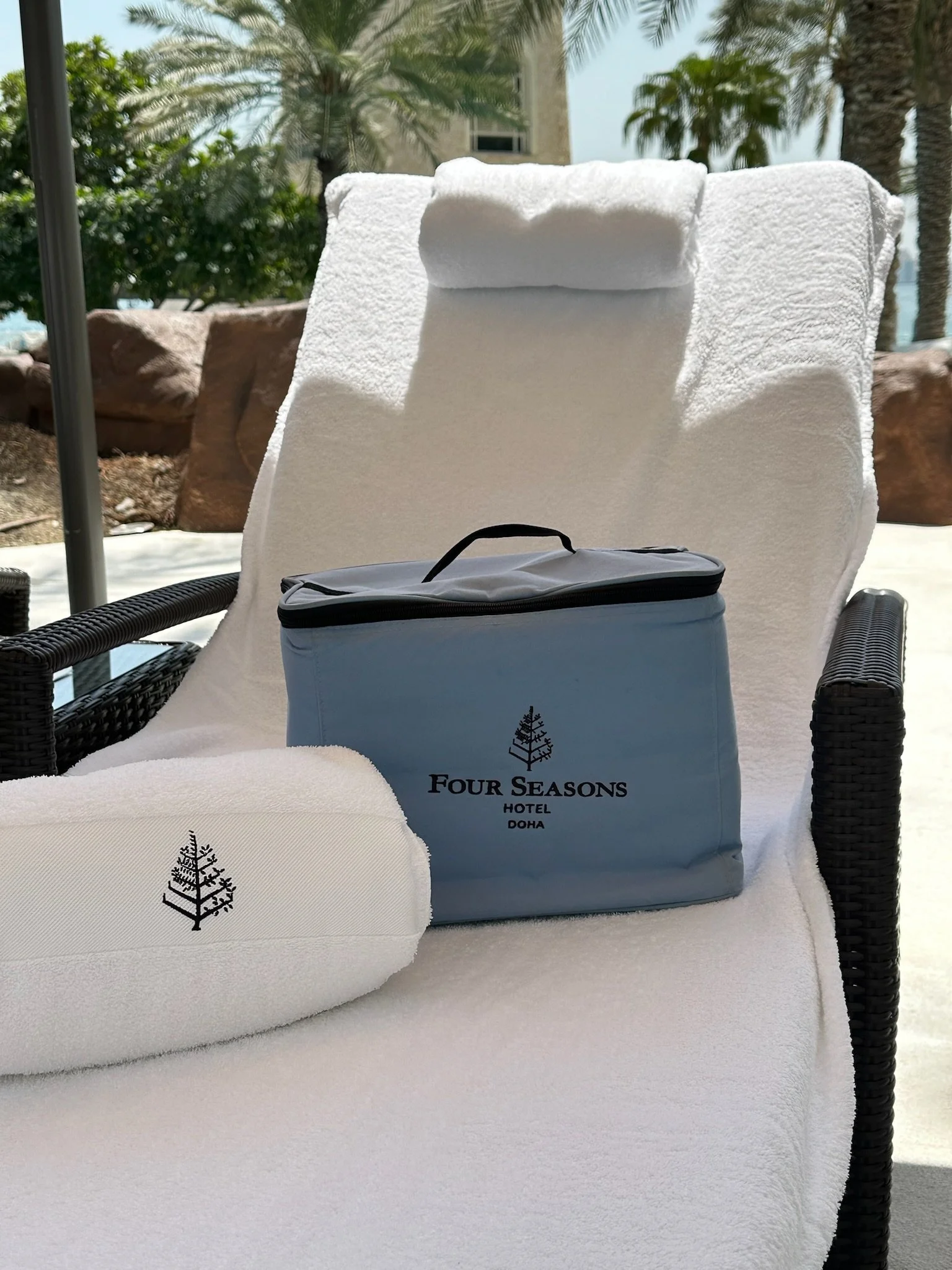
What are you really paying for at Four Seasons?
One of the easiest mistakes to make with expensive hotels is to judge where the money went by looking for expensive objects.
The marble bathroom. The branded toiletries. The enormous floral display. The pool villa.
Four Seasons obviously does plenty of that too, but we don't think that's really where its value lies.
The better clue is how little you have to think about once you arrive.
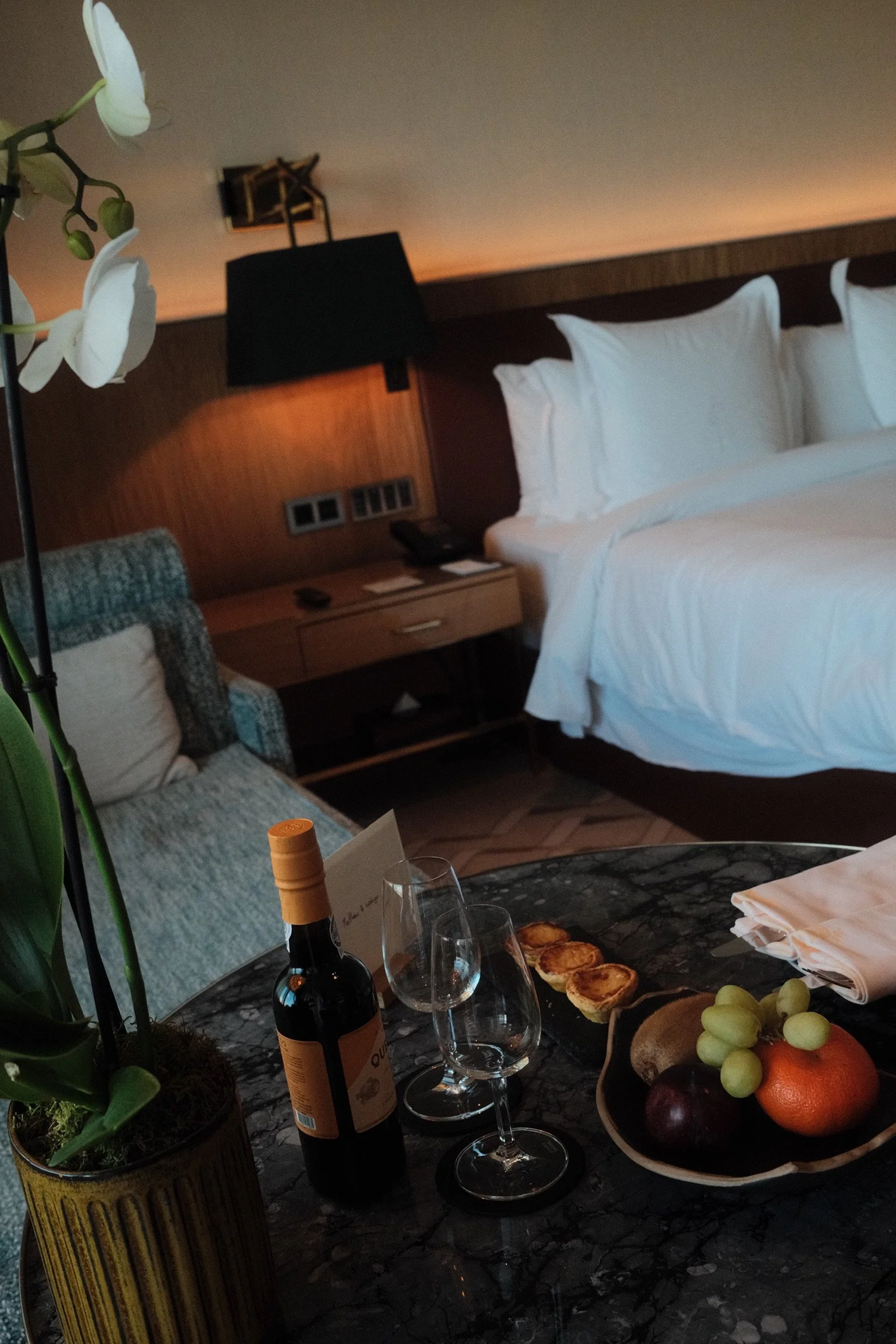
The room works. There are sockets where you need them. The lighting makes sense. The bed is genuinely comfortable. Housekeeping is strong. There are proper places to sit. The shower controls haven't been designed by somebody who apparently never intended to use them. Food and drink has usually had serious investment. There are facilities beyond a photogenic pool, and there are enough people around to make the operation actually function.
None of those things individually sounds particularly exciting.
Together, they create ease.
One of Matt's earliest reactions to staying at Four Seasons was simply: someone has thought about everything.
At the time he didn't really understand the enormous operation underneath that feeling. After staying in a lot more luxury hotels, that's actually the bit we appreciate more.
The best Four Seasons hotels make something incredibly complicated feel quite simple.
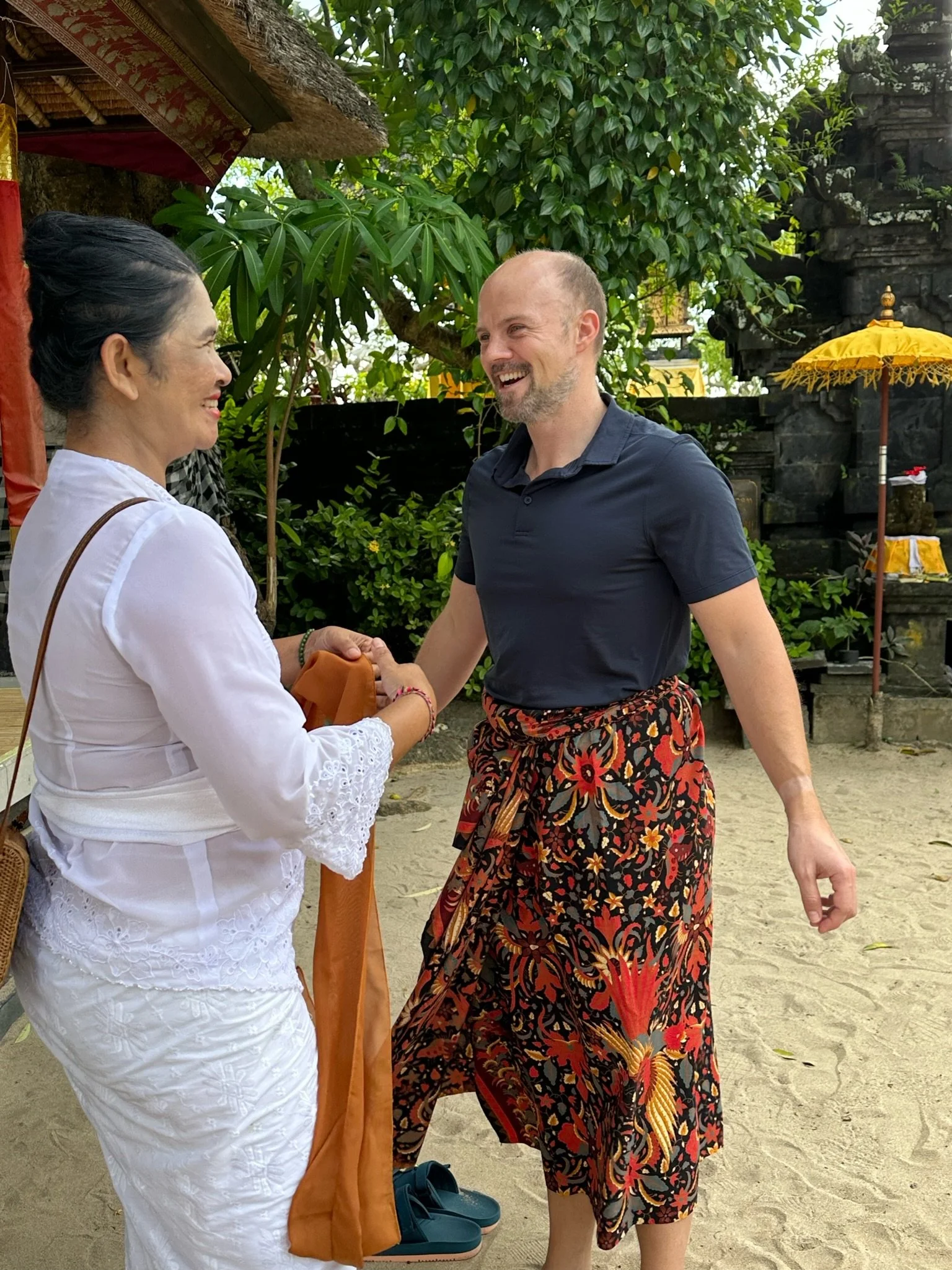
The biggest difference is still the people
Ask us what matters most and we will come back to the people every time.
Four Seasons has long built its service culture around the Golden Rule: treat people the way you would want to be treated. That sounds almost too obvious to be a meaningful point of difference.
The interesting part is what happens in practice.
During Wahyu's time working for Four Seasons in Bali, training was constant. There were standards and SOPs, of course, but there was also a huge emphasis on confidence, developing individual skills and bringing your own personality to the job.
That last part is important.
One of the strangest things about luxury hospitality is that you can be receiving technically perfect service and still feel absolutely nothing.
We've stayed at excellent hotels where every standard is being met, but the team feels formal or cautious. Sometimes you can almost see someone wondering whether they're allowed to make a joke or say something that isn't part of the expected interaction.
The service is correct.
The hospitality isn't necessarily there.
At the best Four Seasons properties, staff tend to have more confidence to be themselves. That doesn't mean every employee is going to become your new best friend, nor should they. Good hospitality is partly about reading the room.
But particularly in a resort, we want to meet the people behind it.
If we're in Bali, Malaysia or Vietnam, we don't want every interaction filtered through the same international five-star script. The team is part of how you experience the destination.
This is something we also love about great independent hotels, where staff can sometimes have much more freedom. What Four Seasons often manages to do is combine some of that personality with the infrastructure and consistency of a very large luxury brand.
That isn't easy.
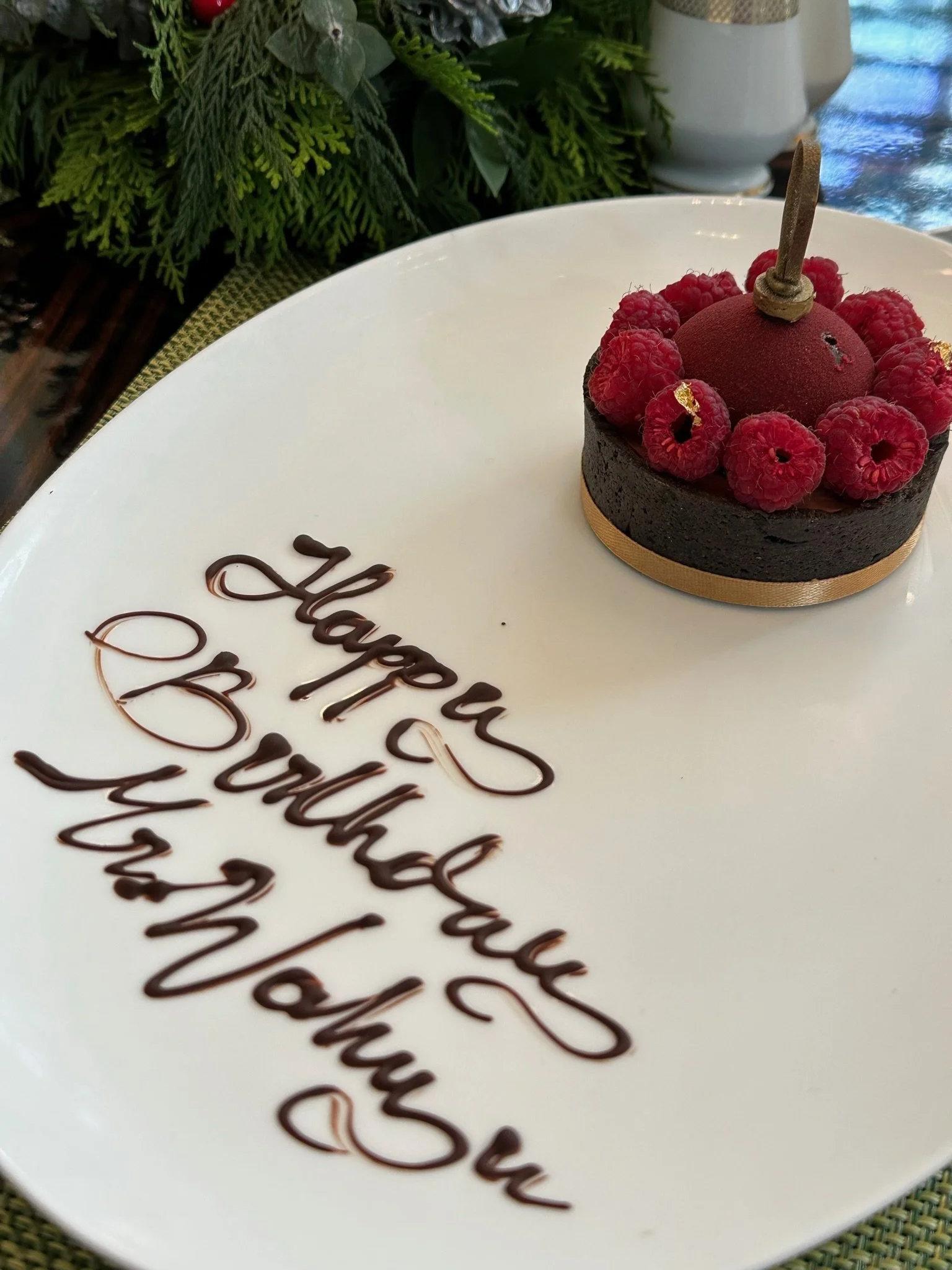
Good standards shouldn't make hospitality robotic
This is probably the biggest thing Wahyu's experience inside Four Seasons has taught us.
Luxury hotels need standards. Without them, consistency disappears very quickly.
But an SOP should give someone the confidence to deal with a situation. It shouldn't tell them how to act human.
When Wahyu worked at Four Seasons, team members were encouraged to make decisions. If something went wrong, the objective wasn't to find the section of the manual that told you exactly what sentence to say next. It was to understand the guest and solve the problem.
One guest celebrating a major wedding anniversary wanted a very particular bottle of wine. There was only around a day to find it, and it wasn't available locally.
Wahyu eventually sourced it from Singapore and got it back to Bali in time.
Nobody writes an SOP that says, Guest wants wine: involve another country.
That's where hospitality becomes interesting.
For us, this is the difference between being served and being hosted.
Being served means the hotel has completed the transaction properly.
Being hosted means somebody feels invested in your experience.
And for all the expensive things Four Seasons does, some of the best examples of that cost almost nothing.
Years ago at Four Seasons Jimbaran Bay, Matt went down to Sundara to swim some lengths. A member of the pool team called Bobby was setting out loungers and towels nearby.
When Matt got out of the pool, Bobby told him he'd done 20 lengths.
He'd been counting.
There was no reason for him to do it. It wasn't a service standard. He had simply noticed.
Matt still remembers Bobby years later.
That's hospitality.
Personalisation is best when it is useful
Luxury hotels are obsessed with personalisation.
Sometimes that means your initials embroidered onto something you didn't particularly need.
Sometimes it is considerably more useful.
One of our favourite Four Seasons examples dates back to Matt's first stay with the brand in the Maldives. The colleague he was travelling with was diabetic and mentioned at Kuda Huraa that she needed her cocktails made with less sugar.
Later, they moved to Four Seasons Landaa Giraavaru.
When they sat down for a drink there, the waiter already knew.
This was in 2012, and Matt was completely amazed by it.
Today hotels have infinitely more technology available to collect guest preferences, but technology alone doesn't make service personal. Somebody still has to record the right information, communicate it and then do something useful with it.
The same applies to housekeeping.
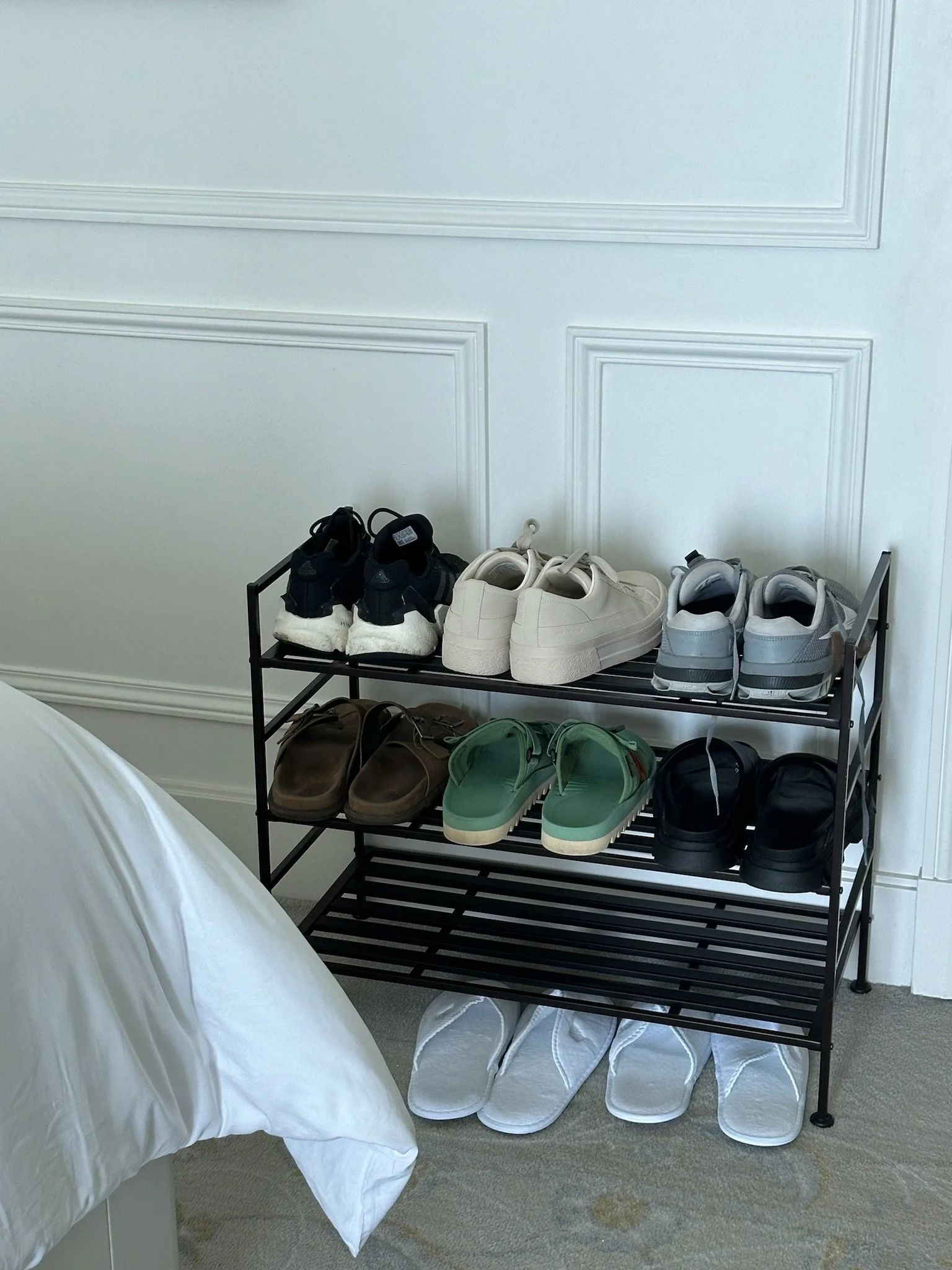
At Four Seasons Doha, we returned to our room after turndown to discover that the housekeeping team had noticed the mildly ridiculous number of shoes we'd brought with us.
Rather than repeatedly arranging them on the floor, somebody had brought a tiered shoe rack into the room and organised them all on it.
We hadn't asked.
Nobody announced they'd done it.
The room simply worked better when we came back.
These are the Four Seasons moments we find most convincing because they don't feel like a performance of luxury. Somebody has noticed how you're actually using the hotel.
Four Seasons rooms are often better to live in than to photograph
This is another distinction we'd make if you're considering booking one for the first time.
Four Seasons rooms aren't always the most radical or fashion-forward in the luxury market. There are independent hotels and other brands that will give you more theatrical design.
Some older Four Seasons properties can also feel more traditional than the latest luxury opening down the road.
But spend three nights in the room and you often start to understand what Four Seasons is good at.
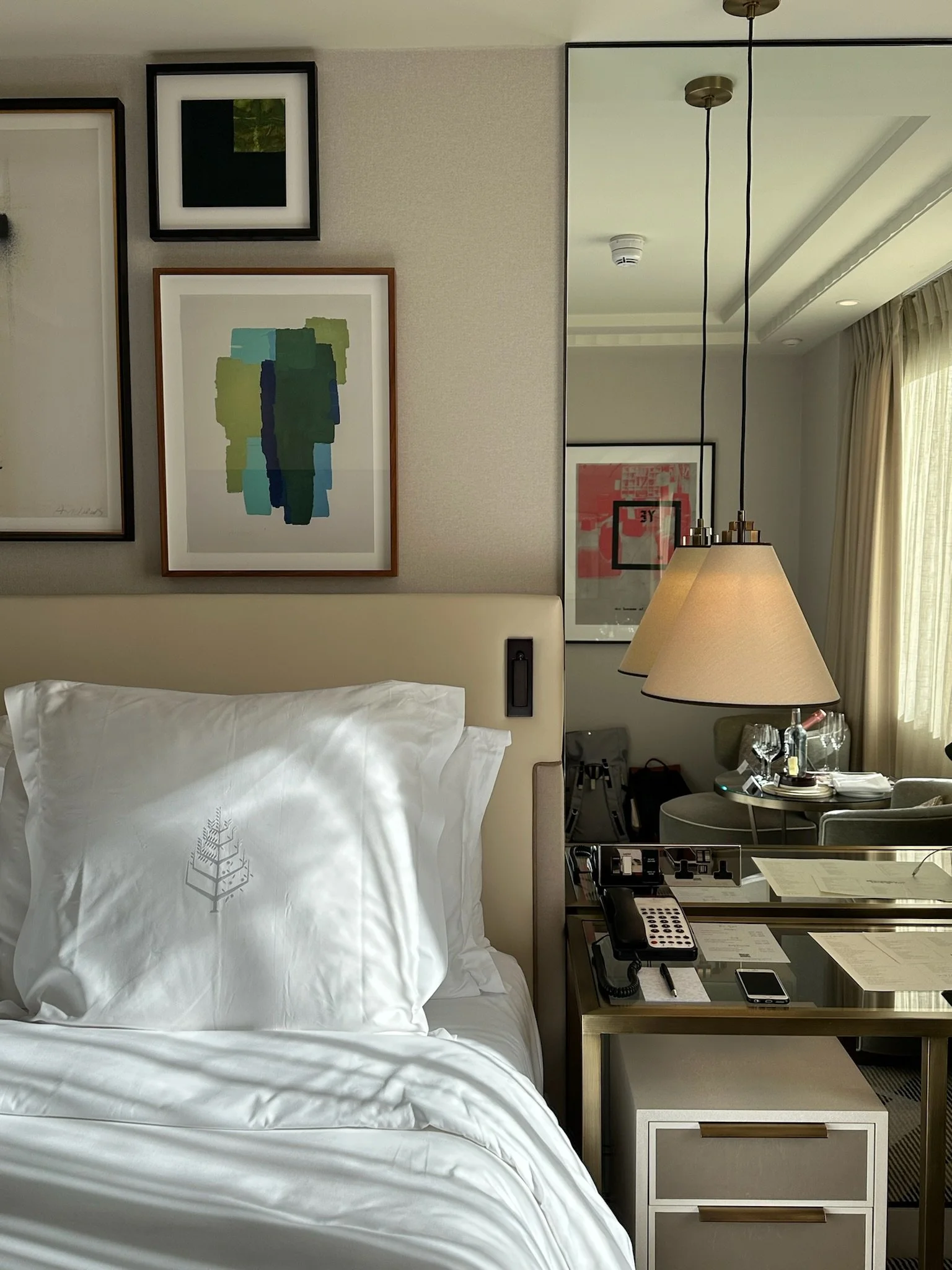
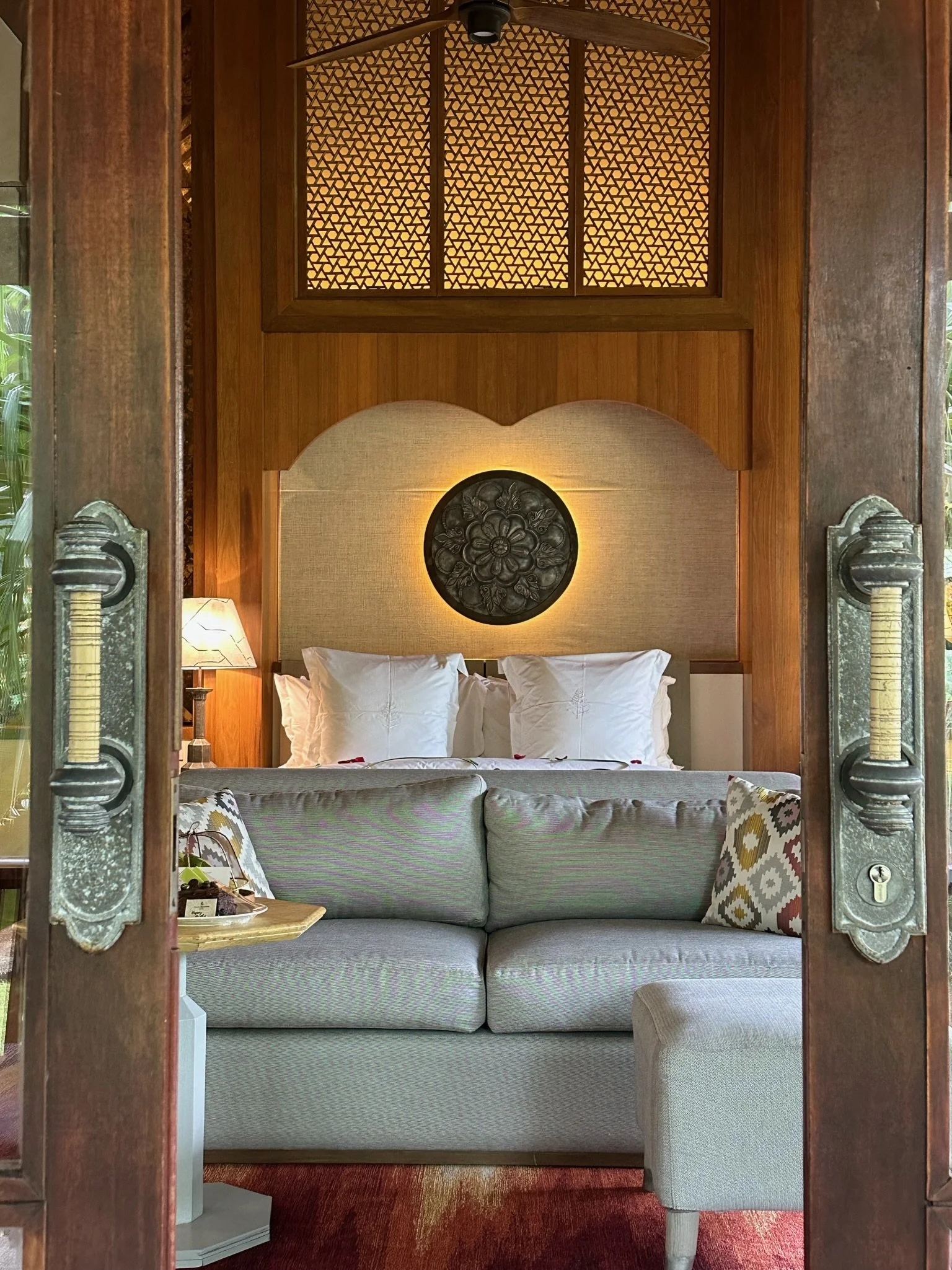
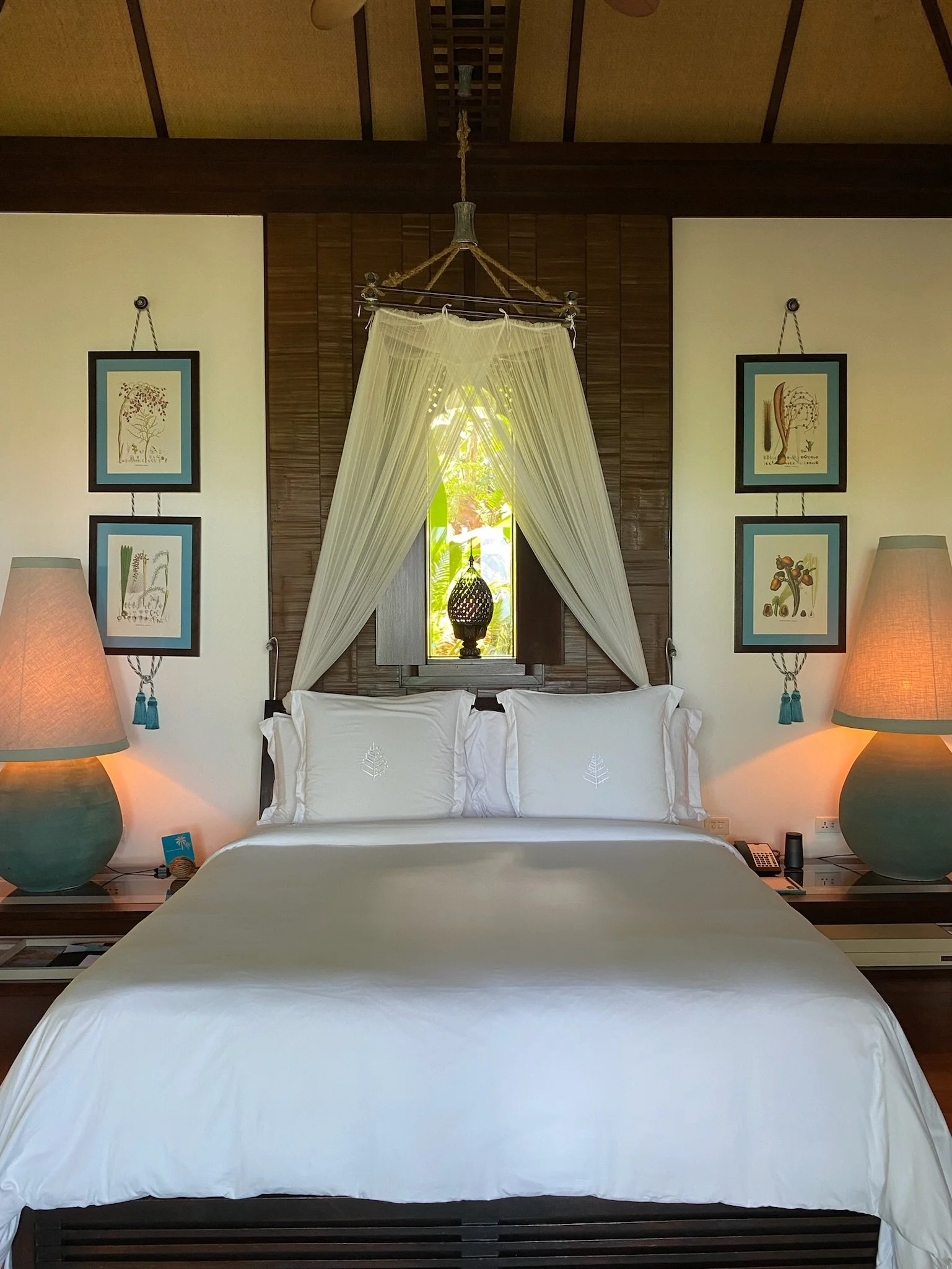
The bed is probably the most obvious hallmark. We genuinely think that if you removed the logos from some Four Seasons rooms, we'd have a decent chance of identifying the brand after sleeping in the bed.
But it goes further than that.
Lighting beside the bed that actually works. Sockets where you need them. Proper storage. Double vanities where space allows. Walk-in showers. Good soundproofing. Air-conditioning that doesn't dominate the room. Furniture that is comfortable as well as attractive.
And then there are the materials: fabrics, cushions, flowers, joinery, handles and furniture that add layers rather than leaving you with a large, expensive-looking white box.
None of this means every Four Seasons room is perfect.
But there is usually evidence that somebody has thought about what happens after you've taken the photograph and started living in it.
That's a distinction we wish more hotel designers made.

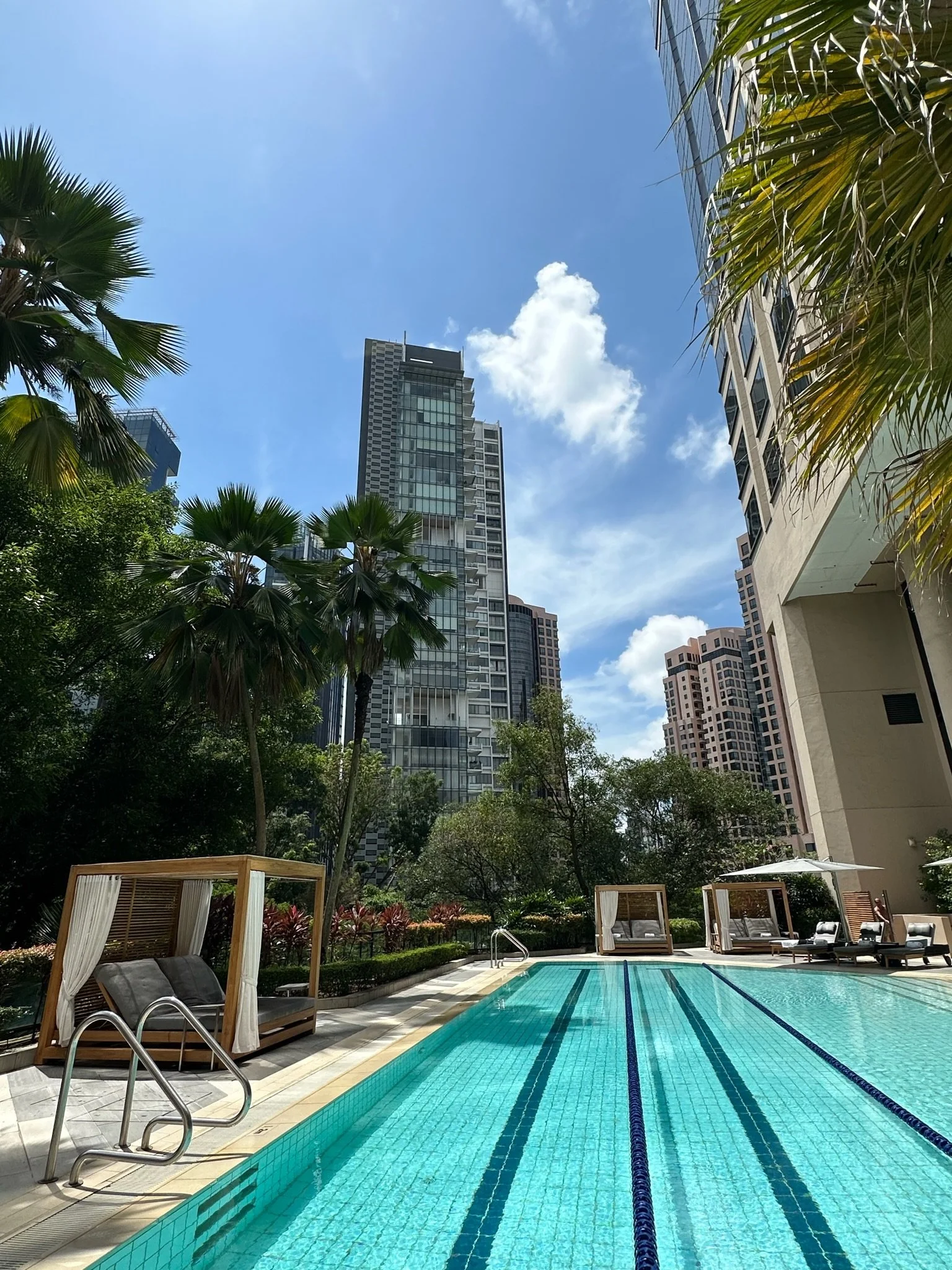
The best properties have a real sense of place
Consistency can become a dirty word in luxury hotels because nobody wants to fly halfway around the world and discover exactly the same hotel they could have stayed in at home.
Four Seasons generally avoids that.
Sayan feels like Bali. Jimbaran Bay feels completely different from Sayan despite being on the same island. Langkawi feels rooted in its landscape. Bangkok is a much more contemporary urban resort. The Maldives properties have their own identities again.
You know you're staying with Four Seasons, but you shouldn't feel as though someone has copied and pasted the same hotel into a different country.
Some of the older resorts also have an advantage that is becoming increasingly hard to replicate: time.
Mature gardens, enormous trees, established beachfronts and pieces of land secured decades ago can't simply be recreated by spending more money on a new development.
Four Seasons Resort Bali at Jimbaran Bay and Sayan are both good examples. Wahyu worked alongside people who had been part of those resorts' stories for decades.
That matters.
Hospitality culture isn't only passed down through a training module. Sometimes it's passed from somebody who has been there for 25 years to somebody who arrived last month.
The same applies to the physical hotel. A garden that has been growing for 30 years simply feels different.
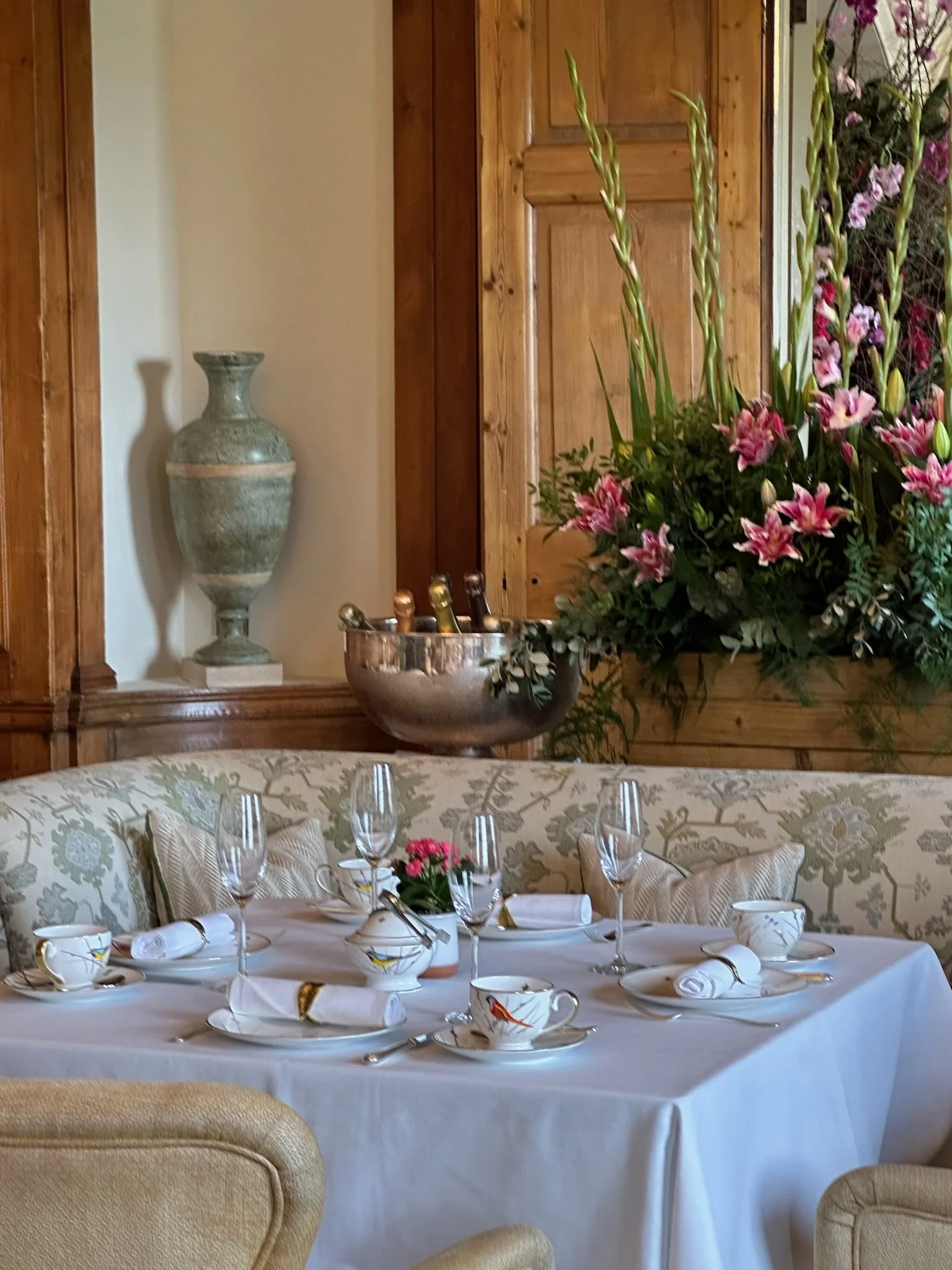
Food and drink is becoming an increasingly big part of the proposition
We also think the modern Four Seasons has changed.
The brand Matt originally became obsessed with was largely about resorts: quiet spaces, pools, villas, rice fields and privacy.
Some of the newer city hotels feel far more energetic.
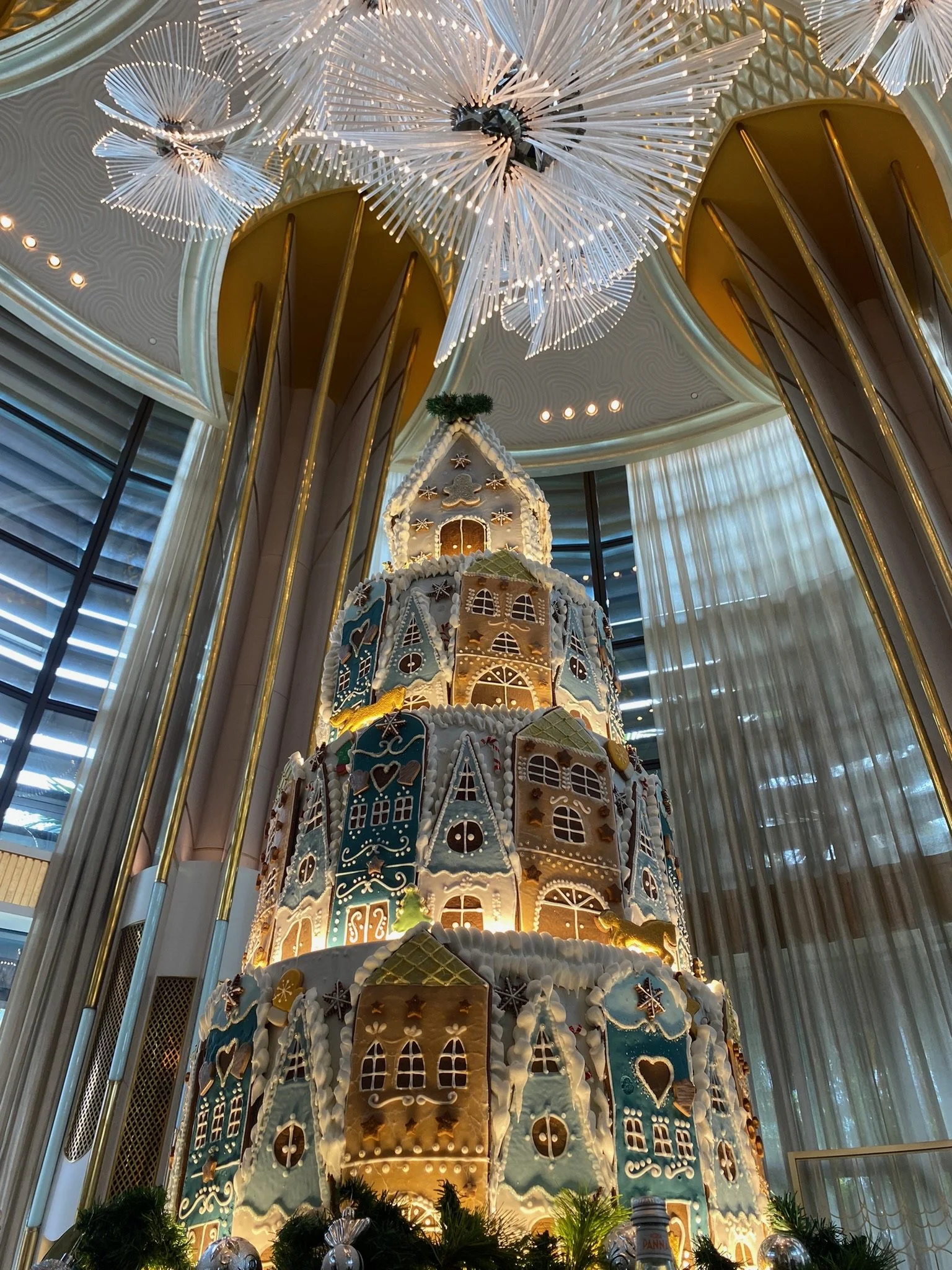
Four Seasons Bangkok is probably our favourite example. It feels like an urban resort, but the restaurants and bars aren't just there to service people with room keys. BKK Social Club is a destination in its own right.
We've seen a similar shift elsewhere.
Pavyllon at Four Seasons Hotel London at Park Lane is a serious restaurant rather than simply “the hotel restaurant”. Four Seasons Hong Kong has long taken food extremely seriously. We've also had particularly strong food and drink experiences in Jimbaran Bay, Doha and the Maldives.
This matters because it's another area where the brand increasingly feels like an all-rounder.
There is, however, variation.
Not every meal we've eaten at a Four Seasons has been memorable, and some of the more established hotels can still occasionally feel safer in their food and drink offering than the newer generation.
That's something to check at the individual property level rather than assuming the logo guarantees it.
So does every Four Seasons feel the same?
No — and that's a good thing.
What feels consistent isn't necessarily the interior design. It's the baseline.
If we book a Four Seasons we've never stayed at, we generally expect a proper arrival, a good bed, very strong housekeeping, substantial facilities, a comfortable room and service that has had serious investment behind it.
We expect it to be an all-rounder.
That is one of the biggest reasons people become loyal to brands like Four Seasons.
If you're spending a significant amount of money on a honeymoon, anniversary or a trip you've been planning for years, reducing the number of unknowns has value.
Perhaps your favourite hotel will turn out to be a tiny independent property you've never heard of.
It may also turn out not to be.
Four Seasons lowers some of that risk.
What won't Four Seasons necessarily be best at?
This is where we think first-time guests need to be realistic.
Four Seasons is not automatically the most interesting hotel in every destination.
It won't always have the most adventurous design. A brilliant independent may feel more personal or eccentric. Another brand might have a better location. Somewhere considerably cheaper may offer better value.
And not every Four Seasons reaches the same level.
We've had arrivals that haven't quite worked. Staff don't always read the room correctly. Restaurants occasionally miss. Older properties can feel less exciting alongside the latest wave of luxury hotels.
Ironically, the stronger the Four Seasons reputation becomes, the more noticeable those moments are.
If a good five-star hotel gives us technically competent service, we might think very little of it.
If Four Seasons does the same, we can find ourselves thinking: where is the rest?
That's the problem with becoming a benchmark.
You get judged against your best version of yourself.

Who is Four Seasons actually right for?
We think Four Seasons makes particular sense for travellers who value hospitality, comfort and consistency more than novelty for novelty's sake.
If this is your first major luxury hotel stay, Four Seasons can be a very good introduction to what an extremely polished hotel operation looks like. You are likely to notice the obvious things first — the arrival, room, flowers, pool, breakfast, service — and then start appreciating the less obvious things as the stay progresses.
It also makes sense for important trips where you want a degree of reassurance. Celebrations are something Four Seasons generally understands very well, particularly if you communicate why you're travelling before you arrive.
And that's probably our biggest practical tip for a first stay:
Tell the hotel things.
Not because you need to construct an elaborate profile of yourself before checking in, but because good personalisation requires something to work with.
If you're celebrating something, say so.
If you have an important dietary requirement, tell them.
If there's something that would genuinely make your stay easier, put it into the reservation or use the hotel's messaging service before arrival.
The more useful context a great hotel has, the more opportunity it has to do something thoughtful with it.
On the other hand, if what you want is a tiny, highly individual hotel where the owner knows every guest, Four Seasons may not be the obvious choice.
If your priority is the most experimental interiors in town, there may be better options.
And if staying at Four Seasons means stretching your budget purely for the name, we'd think carefully about it.
A luxury hotel stops feeling luxurious remarkably quickly if you're resenting every drink you order once you've arrived.
Is Four Seasons worth the money?
Sometimes absolutely. Sometimes not.
Rather than asking whether Four Seasons as a whole is “worth it”, look at the individual property, the rate and what else you could book for the same money.
For us, the value usually comes from the depth of the experience rather than one spectacular feature. You're paying for the room, but also the housekeeping, staffing, training, restaurants, facilities and thousands of operational details that make the stay feel easy.
And ease is expensive to create.
If those things matter to you — particularly for a celebration or a trip where you want reassurance — the premium can make sense.
If they don't, there may well be a more interesting or better-value hotel for you.
Why we still love Four Seasons
Once you've had a few very good Four Seasons stays, you start to recognise the hallmarks.
Not because the hotels look identical, but because certain things feel familiar: the bed, the flowers, the housekeeping, rooms that function properly and staff who, at their best, have enough confidence to be themselves.
Matt was fascinated by Four Seasons before he'd even stayed at one. Back in 2011, he found Chiang Mai and Tented Camp while working in Asia travel and couldn't really explain why the brand had such a pull.
After staying at Four Seasons hotels around the world — and later ending up with someone who had spent six years working inside the company — we understand it rather better now.
The beautiful hotel is only the visible part.
At its best, Four Seasons creates the feeling that someone has thought about everything, while making sure all that process and training doesn't get in the way of actual hospitality.
It isn't always perfect.
It isn't always the hotel we'd choose.
But when it works, you barely notice the complexity underneath it.
You just feel very well looked after.
And that is much harder to get right than it looks.
Four Seasons FAQs
-
Generally, a Four Seasons Hotel is more likely to be an urban property designed around exploring a city, business travel, dining and shorter stays, while a Four Seasons Resort is more of a destination in itself, with more space, larger grounds and a greater emphasis on pools, beaches, activities, wellness and spending time on property.
That doesn't mean a Resort is a higher level of Four Seasons than a Hotel.
Four Seasons Kuala Lumpur and Four Seasons Langkawi are a good example. Kuala Lumpur is a sleek city hotel beside the Petronas Towers with restaurants, bars, a spa and an urban pool. Langkawi is a sprawling beachfront resort where the land, gardens, beach and activities form a much bigger part of what you're paying for.
They're two very different propositions carrying the same service philosophy.
-
Absolutely — although we'd probably say better for what?
More expensive doesn't necessarily mean better, newer doesn't automatically mean better and a resort isn't inherently better than a city hotel.
Some properties have extraordinary locations. Others have newer rooms, better restaurants, more atmosphere or particularly strong service cultures. An established resort might have 30 years of mature landscaping and staff who have been there for decades, while a new opening might have the latest design, technology and a much more fashionable food and drink scene.
Rather than trying to rank the entire Four Seasons portfolio, we'd look at what that particular property does exceptionally well and whether those things matter to your trip.
-
No. This is probably one of the easiest traps to fall into.
Hotel pricing reflects the destination, season, demand, room size, land, operating costs and local luxury market as much as it reflects quality.
You can sometimes stay at an exceptional Four Seasons city hotel for considerably less than a resort from the same brand. That doesn't mean the service or room is somehow a lower tier of Four Seasons. At a resort, you may also be paying for acres of land, beach access, multiple pools, activities, larger accommodation and a much bigger operation.
We'd never use the nightly rate as a Four Seasons ranking system.
The better question is: what am I getting for the price in this particular destination?
-
It depends on the trip.
There is something exciting about a brand-new Four Seasons. You'll usually get the newest rooms and technology, fresh restaurants and bars, and often a lot of energy around the opening.
But new luxury hotels also need time to find their rhythm.
A team can be extremely well trained and still be learning how that particular hotel works when it's full: breakfast flow, housekeeping timings, restaurant demand, buggy logistics at a resort, how guests move through the spaces and hundreds of other small operational details.
For a normal trip, we'd happily try a new opening.
For a honeymoon or once-in-a-lifetime stay where everything really matters, we'd probably be slightly more cautious about booking the very first weeks. Sometimes letting a hotel bed in is no bad thing.
-
Definitely not.
Newer properties can have the advantage when it comes to contemporary design, technology and the latest approach to restaurants and bars. But older Four Seasons resorts often have something money cannot quickly recreate: time.
Mature gardens, established trees, exceptional plots of land and teams who have worked together for years can give an older property enormous character.
The question is whether the hotel has continued to invest.
There's a difference between a hotel that feels established and one that simply feels dated. Before booking an older Four Seasons, we'd look at when the rooms were last renovated, which room categories have been updated, whether the restaurants still feel relevant and what recent guests are saying about the physical condition of the property.
Age alone wouldn't put us off at all.
-
Don't assume they're interchangeable.
Four Seasons often deliberately creates very different properties within the same country or even the same destination. Bali has Jimbaran Bay and Sayan; the Maldives has Kuda Huraa and Landaa Giraavaru; Malaysia has Kuala Lumpur and Langkawi.
Start with the trip rather than the brand.
Do you want beach or city? A large resort or something more intimate? Restaurants and nightlife or somewhere you'll barely leave? Easy access or a more remote setting? Contemporary design or an established property with mature grounds and a stronger sense of history?
This is where we think the idea of the “best Four Seasons” becomes fairly meaningless.
The useful question is: which Four Seasons is right for this trip?