Safe Isn't the Same as Welcome: What LGBTQ+ Travel Actually Feels Like as a Gay Couple
Words by Matt and Wahyu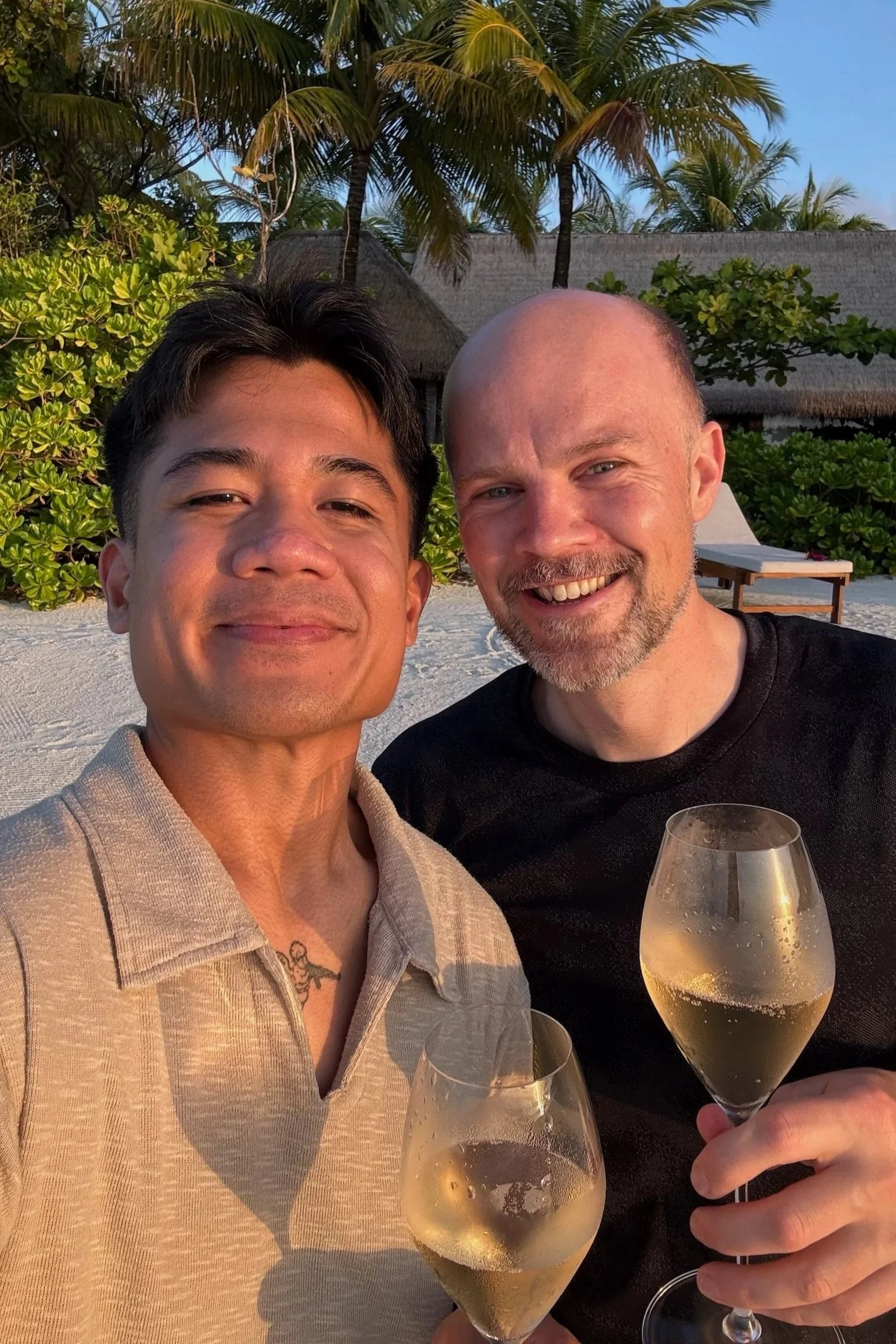
We probably should check the laws before we travel. The truth is, most of the time we don't.
That might sound slightly naive coming from two people who work in travel, but after years of travelling together, and in Matt's case more than twenty years of travelling around the world, being gay isn't usually the first thing we think about when deciding where to go.
Of course there are places whose reputations precede them. Saudi Arabia is an obvious one. Dubai comes up constantly. So do Qatar and the Maldives. Search any of them alongside “gay couple” and the results can quickly become a mixture of legislation, warnings, personal experiences and people with very strong opinions about whether LGBT travellers should be going there at all.
Those laws matter. There are countries we have travelled to where same-sex relationships or sexual activity remain illegal, and there are plenty of LGBT travellers for whom that fact alone means they would rather spend their money somewhere else. We completely understand that.
But this isn't really an article about whether you should go.
It's about what happens if you do.
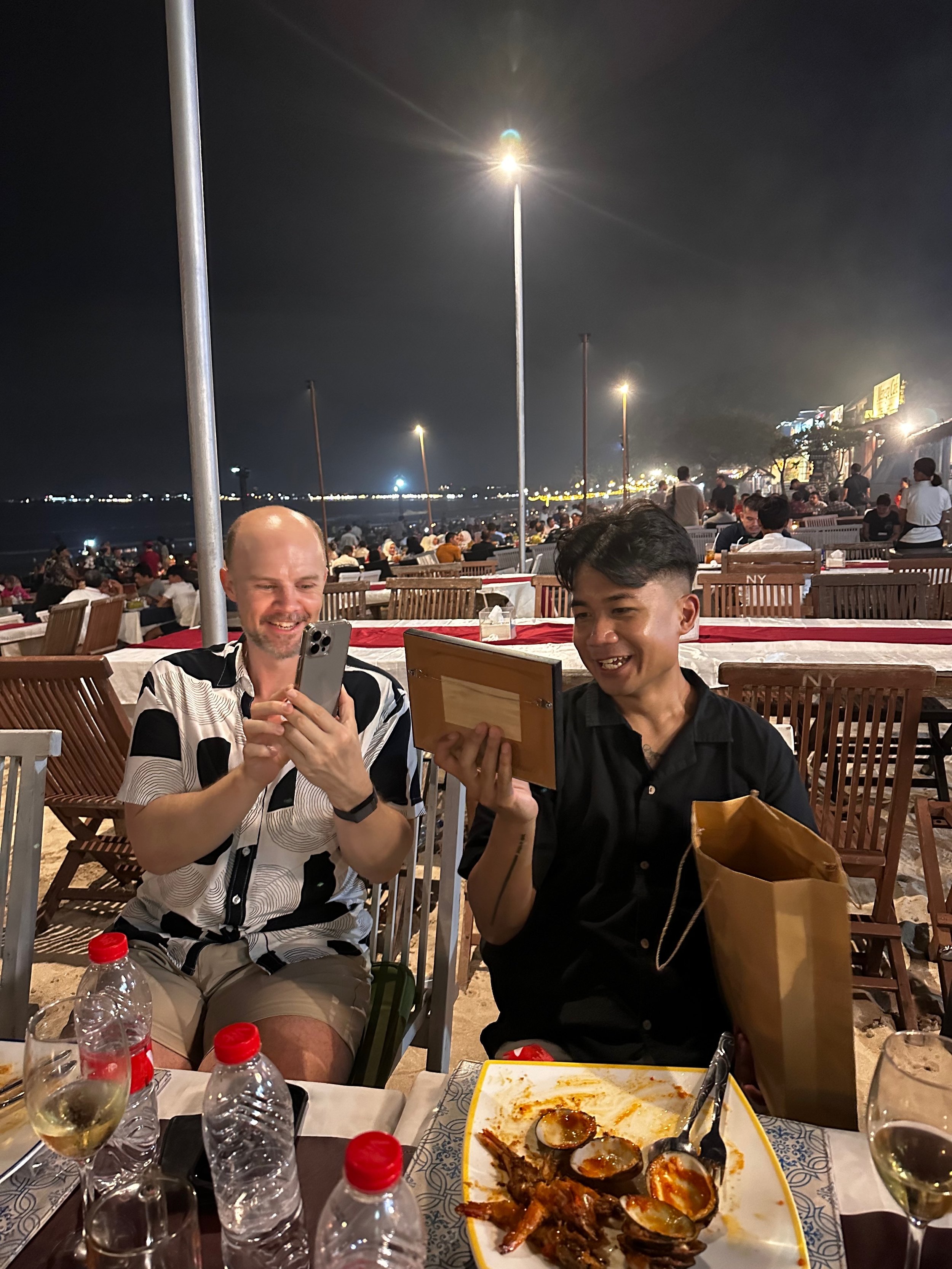
Because after travelling through much of Southeast Asia, living and working in Bali and Bhutan, returning to the Maldives again and again, and visiting places including the UAE, Qatar, Nepal, Japan, South Africa and plenty more besides, our experience of travelling as two gay men has been overwhelmingly uneventful.
And we mean that in the best possible way.
Nobody has ever told us we can't share a room. Nobody has questioned the king bed on our booking. We've done couples massages, romantic dinners and private dining experiences without anyone making them weird. We normally walk up to immigration together. We've checked into resorts in countries where homosexuality is criminalised and been treated exactly as any other couple would be.
So, increasingly, we don't find ourselves asking whether somewhere is going to be “safe for gay travellers” in quite the same way.
The more interesting question is whether we're going to feel welcome.
Because safe and welcome aren't necessarily the same thing.
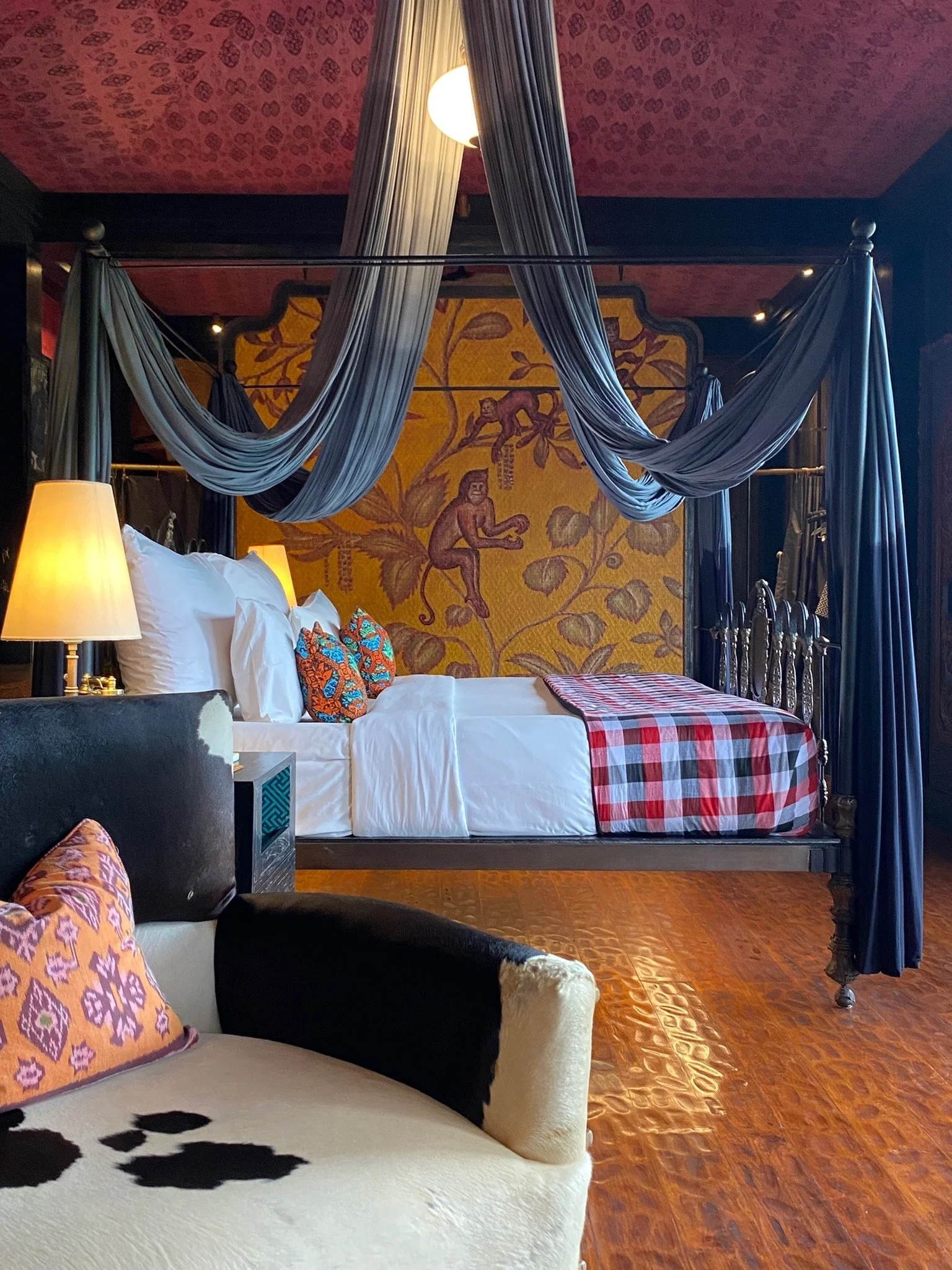
Sometimes the biggest clue is just one king bed
Matt worked in travel for years and was regularly asked this question, particularly by gay clients heading somewhere like Dubai or the Maldives: should we request twin beds?
Our answer, based purely on our own experience, has always been no.
We arrange nearly all of our travel in advance, so hotels generally know quite a lot about us before we arrive. Two male names. One room. One king bed. It's hardly a particularly difficult puzzle.
And yet, across years of travelling together, nobody has ever challenged it.
There hasn't been an awkward conversation at reception. Nobody has quietly switched us to twins. Nobody has suggested we book two rooms. In fact, most of the time the bed is such a non-event that we barely think about it.
Ironically, the one trip where we kept receiving twin beds was in South Africa.
After the first couple of hotels, Matt started wondering what on earth was going on. Eventually we discovered that our on the ground agent hadn't realised we were a couple and had booked twins throughout the itinerary. It wasn't South Africa. It wasn't the hotels. It wasn't a gay thing at all. She just thought it was two friends.
There is something quite revealing about that too. When you've spent years hearing that particular destinations might be difficult for you, it can be surprisingly easy to interpret an innocent mistake through that lens.
Most of the time, the explanation is much more boring.
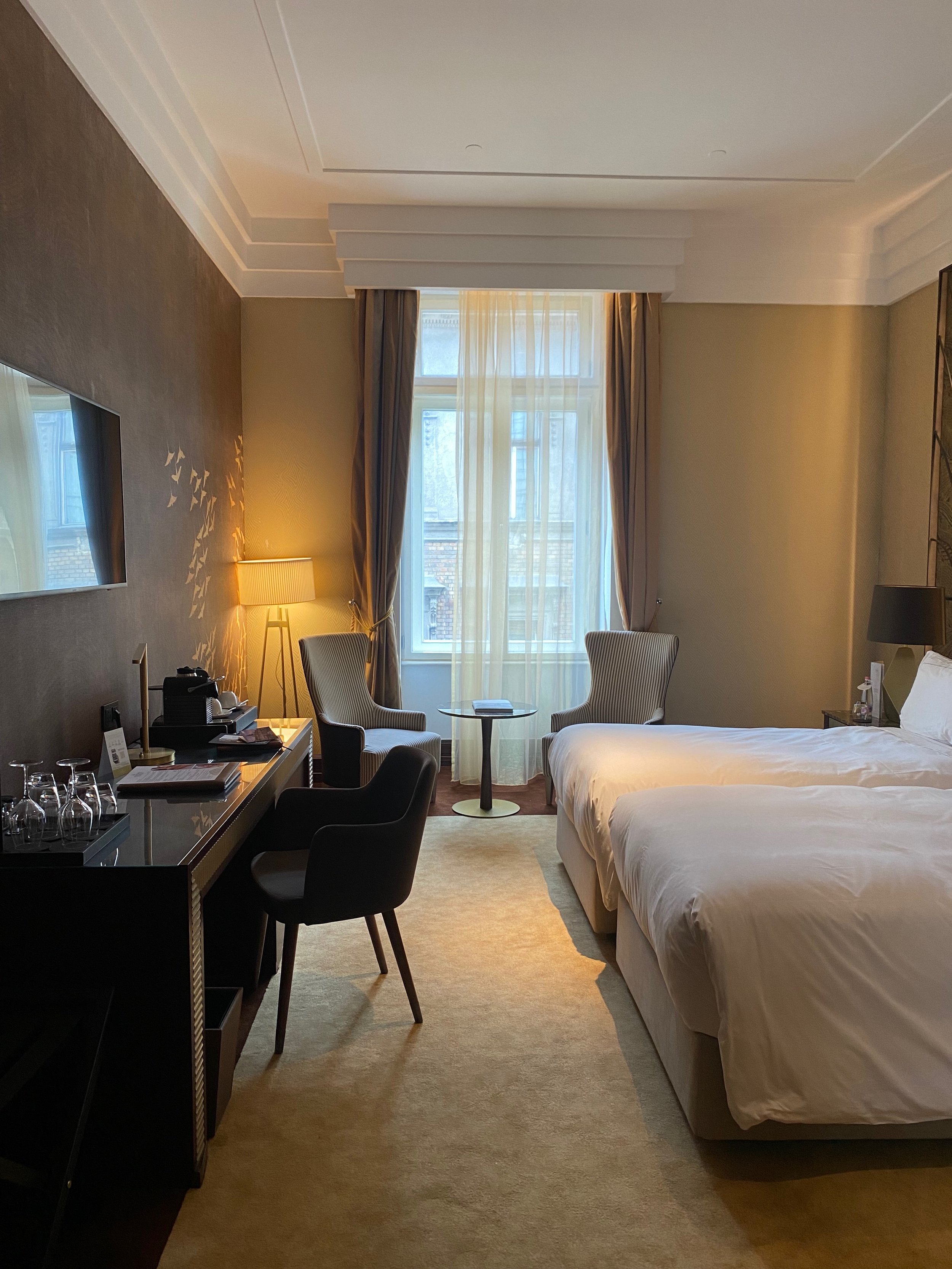
The moments we notice are usually much smaller
If we're honest, we've become far more aware of the little heterosexual assumptions built into hospitality than we are of people actively treating us differently.
One of our pet hates is the automatic Mr and Mrs.
You walk into a beautiful hotel room and one side of the bathroom has something labelled Mr, the other Mrs. There might be an enormous dressing gown on one side and a small one on the other, or large slippers for him and dainty slippers for her.
At Waldorf Astoria Maldives Ithaafushi, for example, we found Mr and Mrs amenities waiting in the room.
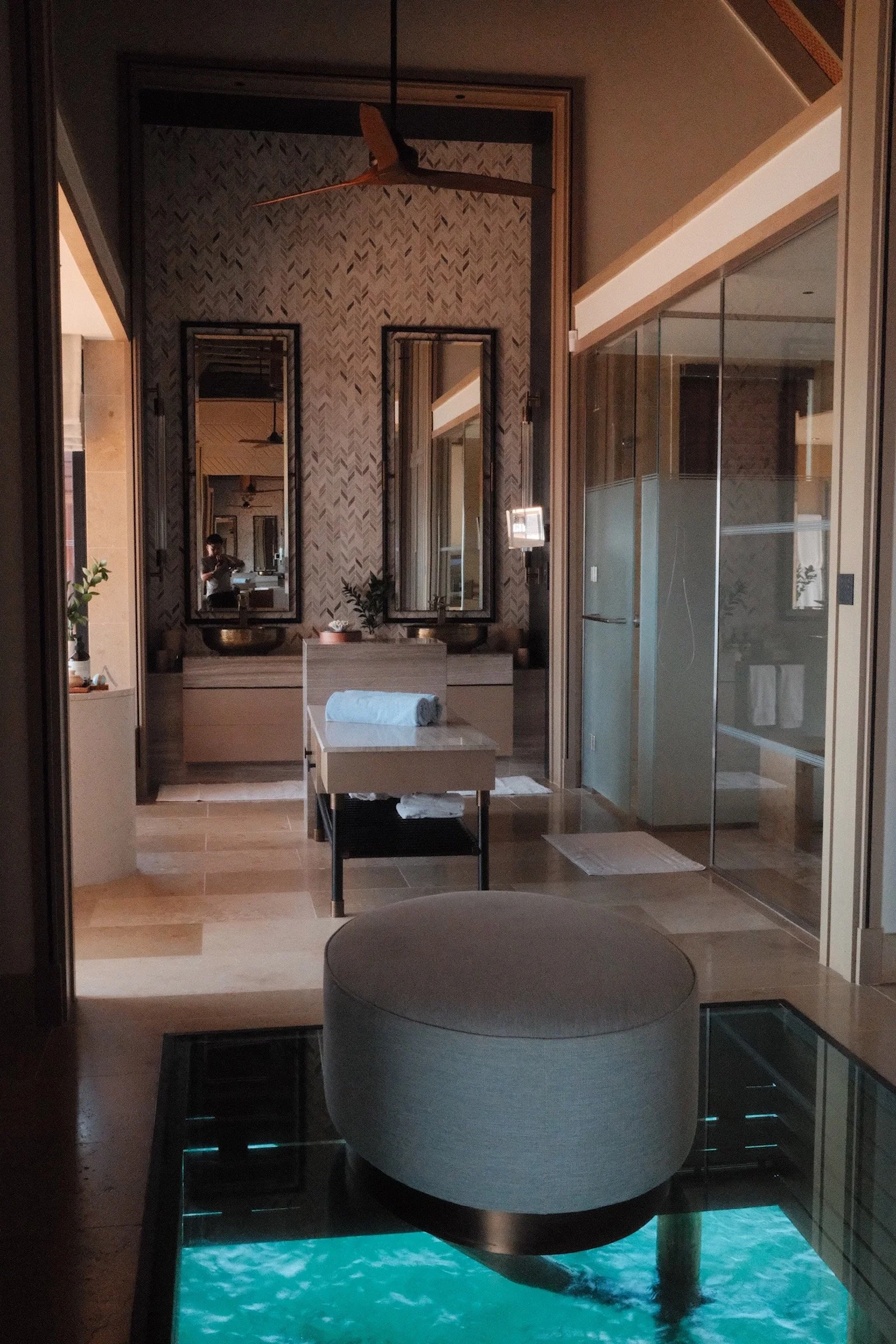
It's obviously not some great act of discrimination. Nobody was trying to make us feel uncomfortable. But in a hotel operating at that level, where almost every tiny part of the guest experience has supposedly been considered, you do notice when the room seems to have been prepared for a theoretical heterosexual couple rather than the two people actually staying in it.
Matt saw exactly the same thing from the operational side while working in hotels.
At one property, the welcome letter used Mr and Mrs as standard. When he questioned what happened if the guests were two men or two women, the answer somehow turned into an enormous debate.
What should we call them? What happens if we get it wrong? How do we know whether they're together?
The solution was not particularly revolutionary.
Use their names.
Or, if you know they are Mr and Mr, write Mr and Mr.
Nobody involved was against changing it. In reality, people were so worried about saying the wrong thing that they had never really addressed it at all. The heterosexual default felt safer, despite the fact that it was the thing most likely to be wrong.
That's why we're increasingly wary of judging whether a hotel is genuinely inclusive based on a rainbow logo or a line on its website. The clues are normally much less glamorous.
Has someone actually looked at who is arriving?
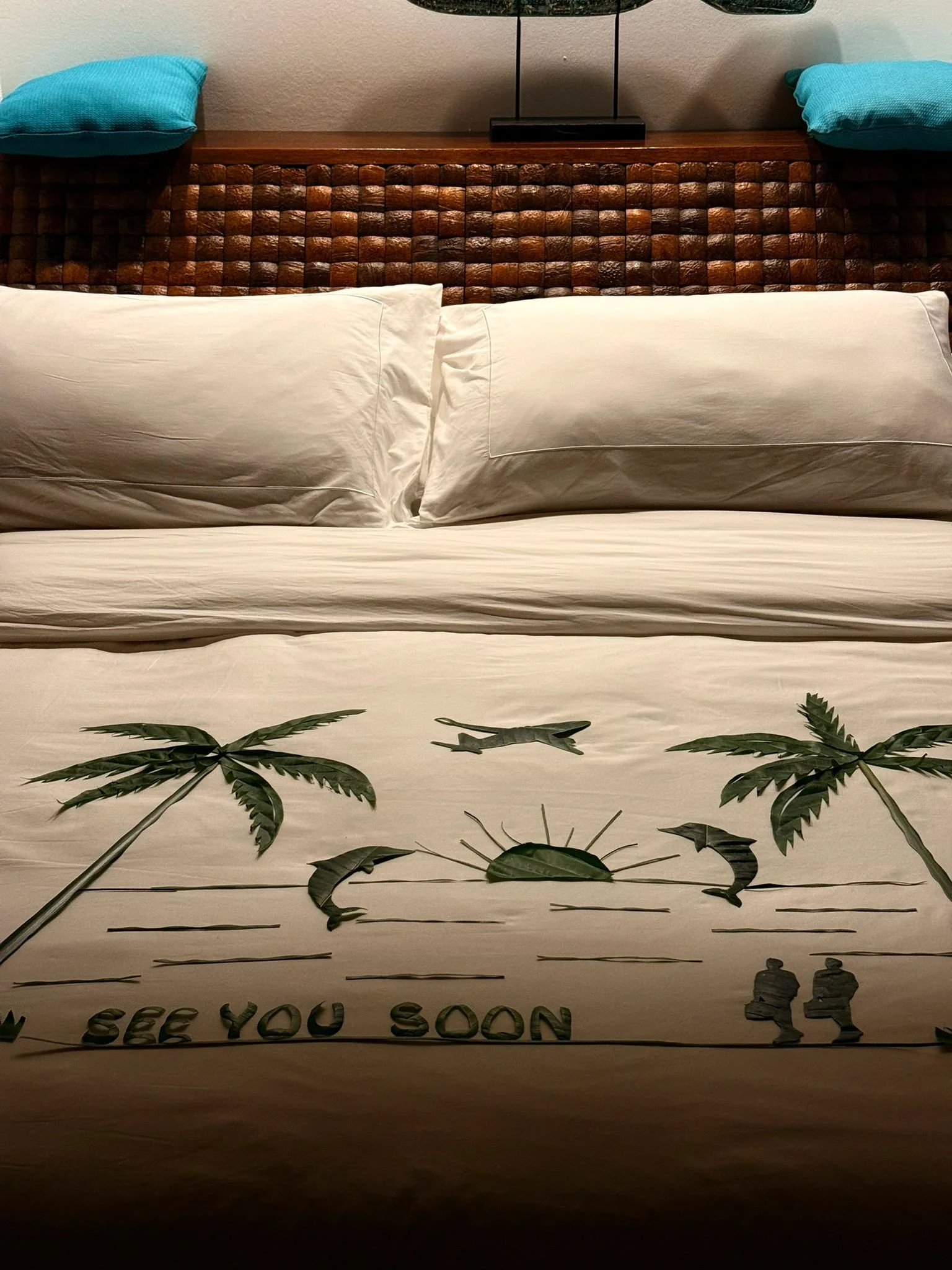
The best experiences don't make a big thing of it
One of our favourite examples happened on our final night at Kuredhivaru in the Maldives.
The housekeeping team had created one of those elaborate bed decorations from leaves. It said SEE YOUR SOON, with an aeroplane taking off and two little figures standing beside their suitcases.
Both figures were men.
It was such a tiny thing, but we loved it.
Presumably, if it had been a man and a woman, they would have made a man and a woman. Someone had simply looked at who was in the room and made the scene about us.
There wasn't a rainbow flag in sight. Nobody needed to announce that the resort was LGBT friendly. Someone had just paid attention.
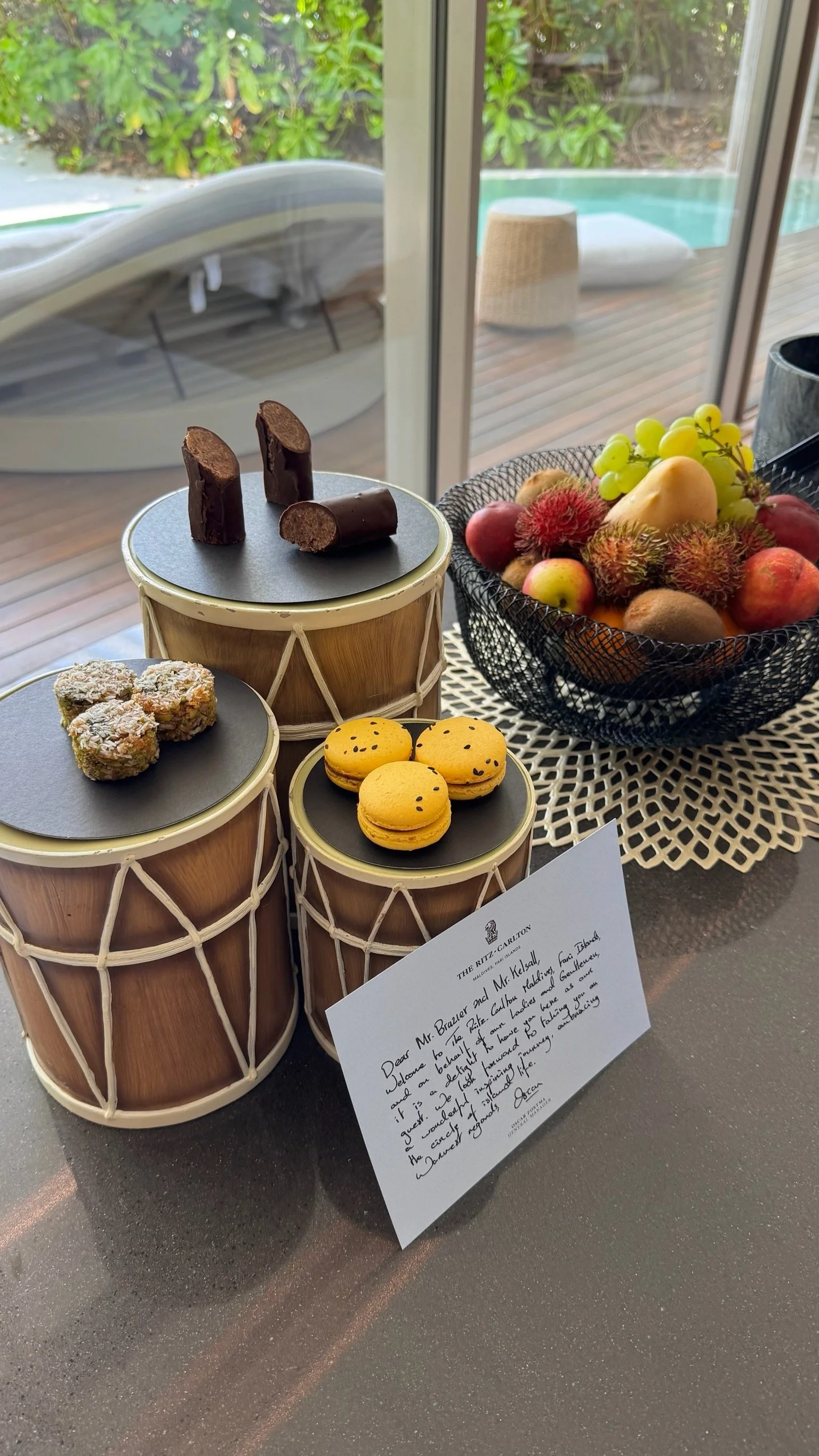
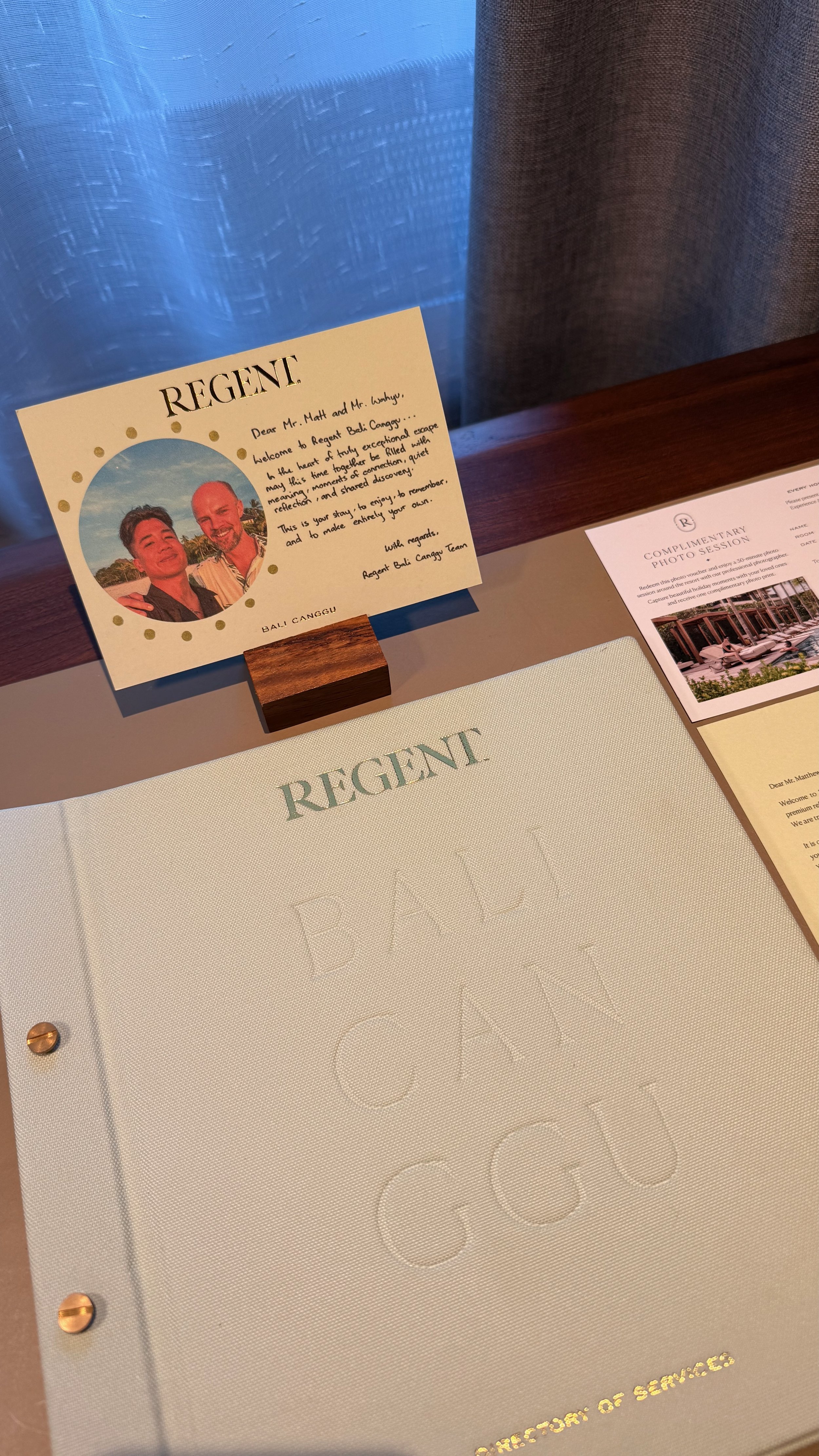
We had another lovely example at Regent Bali Canggu, where the team took one of our photographs from Instagram, turned it into an arrival card and had members of the hotel team sign it. Again, it wasn't presented as some special piece of LGBT hospitality. It was simply a very personal welcome for the two guests who were arriving.
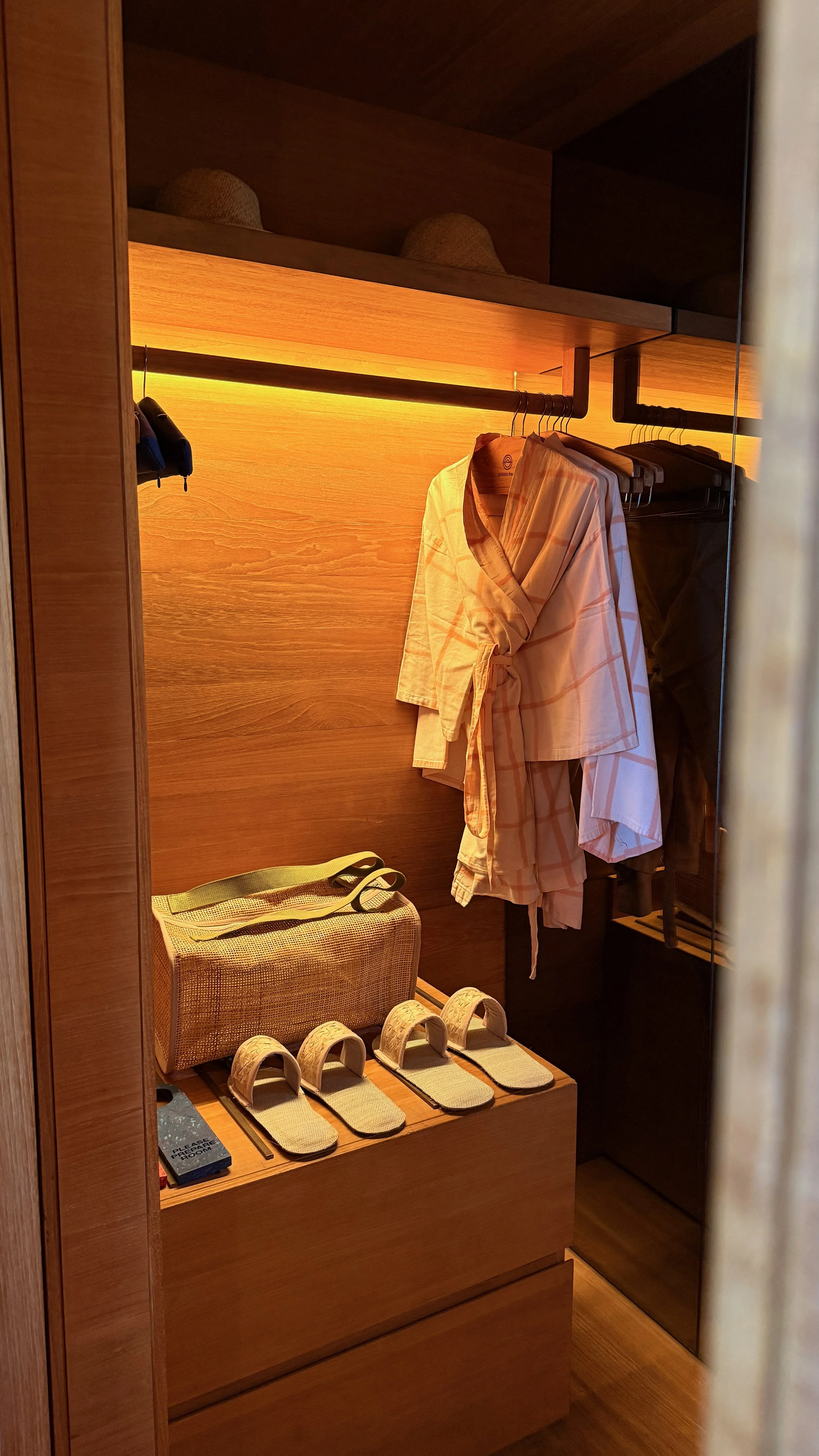
Cap Karoso in Sumba got the seemingly much less exciting detail of having the right robes in the room. You would think that providing two appropriately sized dressing gowns wouldn't be worthy of discussion, but once you've stayed in enough hotels, you notice how often the default setup is still his and hers.
The best hotels make all of this feel completely unremarkable.
And perhaps that's actually the point.
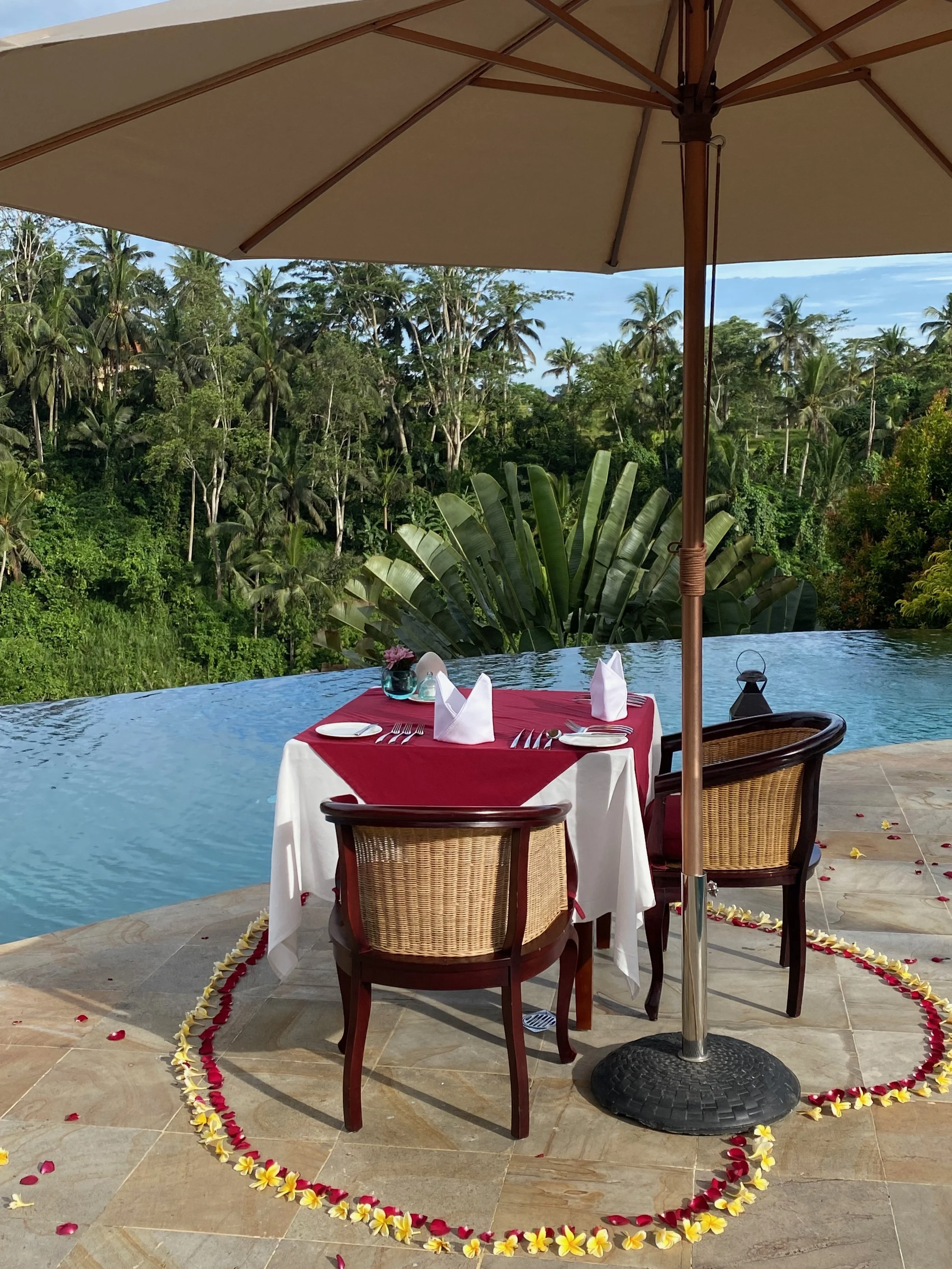
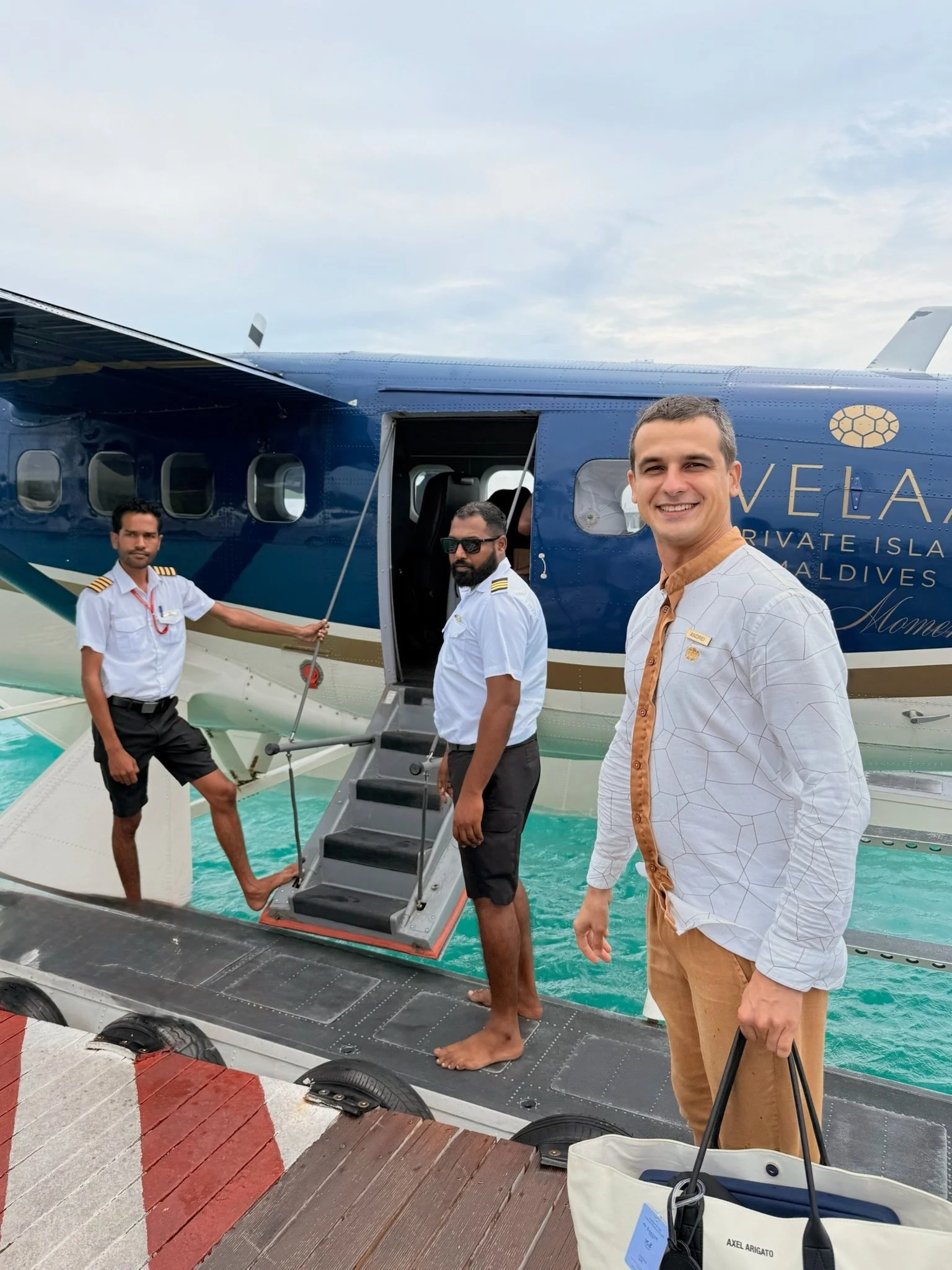
Luxury hotels already have enough information to get this right
The higher up the luxury scale you go, the more information hotels tend to ask for before you arrive.
Soneva is particularly good at this. Their pre-arrival questions can go into enormous detail. What music do you like? What sort of scents do you prefer? Is there anything you particularly want in the minibar? What do you want to eat or drink? What are you celebrating?
Lots of luxury hotels now send preference forms. In practice, some feel more like a box-ticking exercise than genuine personalisation. The information is collected, goes into a system somewhere and you never see any evidence of it again.
The really good hotels use it.
And this is why some of the old-fashioned assumptions feel increasingly unnecessary. If a hotel knows our names, our room preference, our bed type, our dietary requirements, our favourite drinks and the reason we're travelling, it can probably work out enough to avoid automatically putting Mrs on one side of the bathroom.
Inclusivity doesn't always require adding something.
Sometimes it's about removing the assumption.
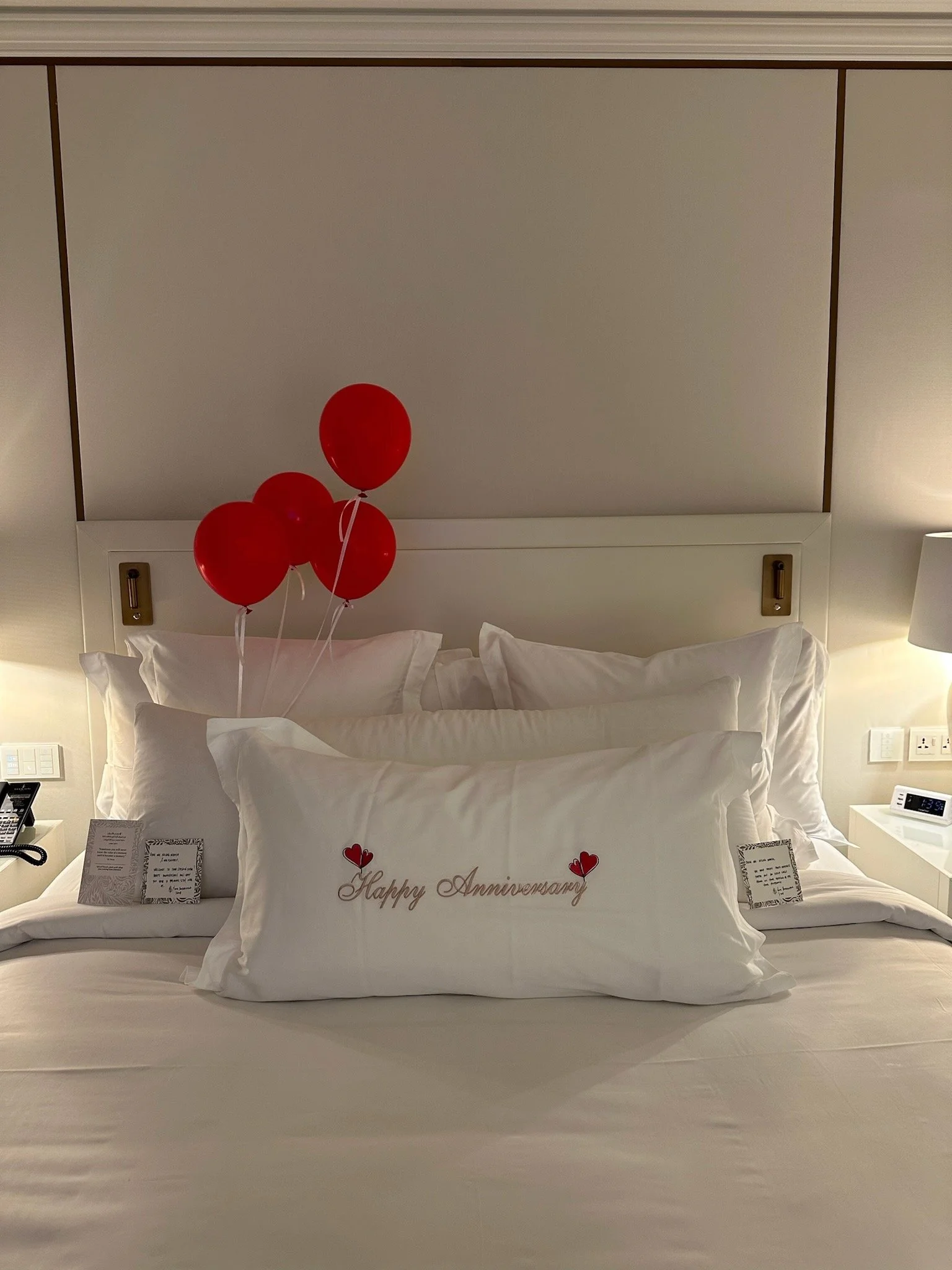
Romance has actually been one of the easiest parts
Given the amount of internet discussion around LGBT travel to conservative countries, you could imagine couples experiences being where things suddenly become uncomfortable.
That hasn't been our experience at all.
We've booked romantic dinners, private beach dinners and couples spa treatments in destinations all over the world, including resorts in countries where the laws around homosexuality look alarming on paper. We can't think of a single time where somebody has stopped and asked whether the romantic dinner is really for the two of us or whether we would prefer separate treatment rooms because we're both men.
It has just been normal.
Part of that is probably because we travel to a lot of international hotels and resorts where gay couples are hardly unusual. Hospitality teams in places like the Maldives, Bali, Thailand or Dubai see people arriving from every imaginable background day in, day out.
It's one reason we're always cautious about extrapolating a luxury tourist experience into a statement about an entire country. What happens in an international resort can be completely different from the reality outside it.
But equally, if your question is simply, “Will two men be able to book the romantic dinner or couples massage?”, our experience has been remarkably straightforward.
We do it all the time.
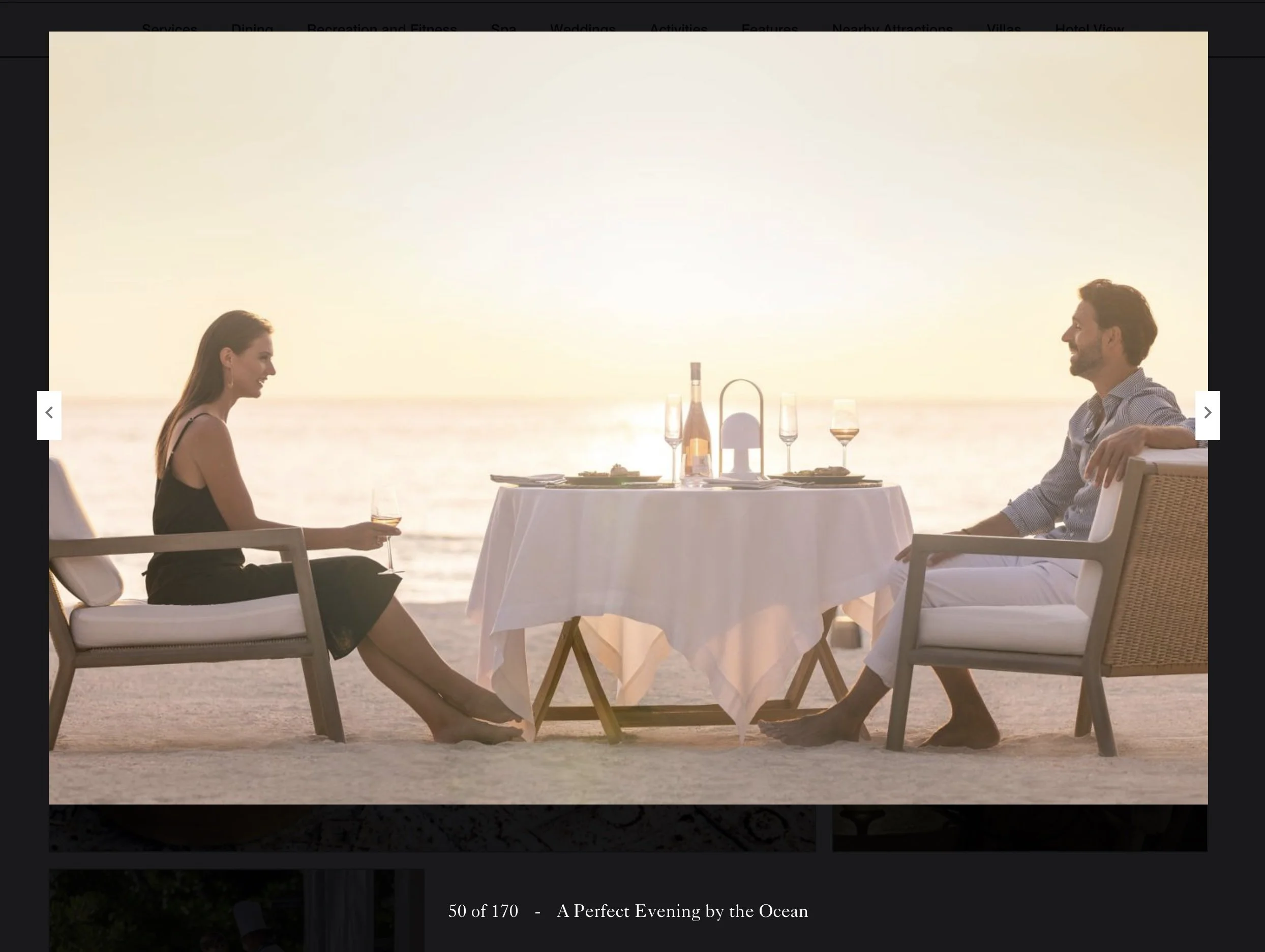
So why do hotel websites still look so straight?
This is one area where we think hospitality still has quite a long way to go.
Look through almost any luxury resort website and romance tends to look remarkably similar. A man and a woman walking down the beach. A man and a woman at sunset. A man and a woman having dinner. A honeymoon couple in a pool. A husband and wife in the spa.
It's interesting because many of those same hotels would host us brilliantly.
The operation may have moved on, but the imagery hasn't necessarily caught up.
We don't think every hotel campaign needs to become a diversity exercise. But if gay couples are routinely spending money on honeymoons, anniversaries, villas, private dinners and luxury travel, it is slightly odd how rarely we appear in the picture of who all of that romance is supposedly for.
That is another version of the difference between being accepted and being seen.
You can know perfectly well that a hotel will welcome you and still look through its entire website without seeing a couple who looks anything like you.
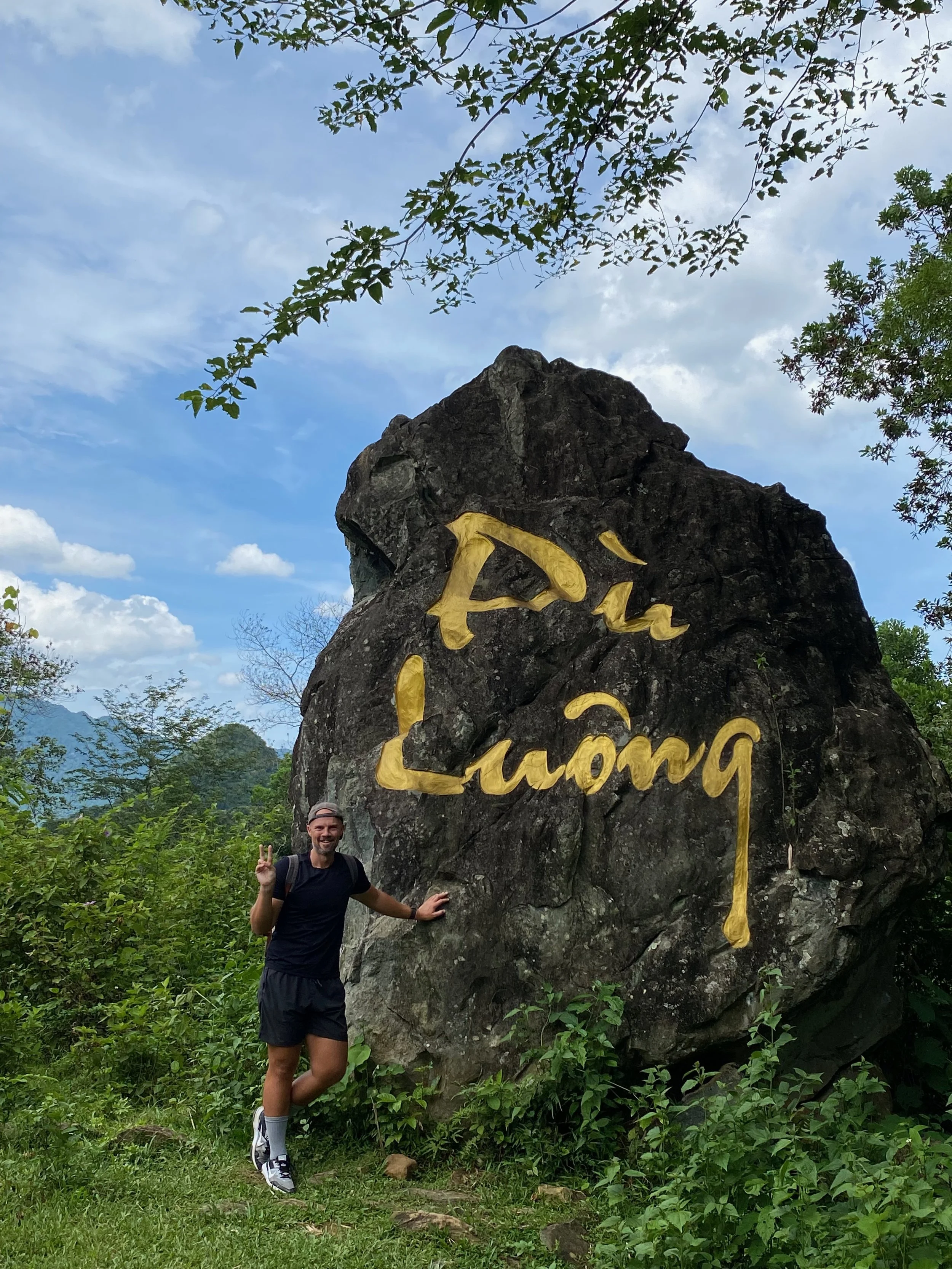
“So, where's your wife?”
Outside hotels, the assumptions tend to be even more innocent.
Matt has done a lot of privately guided trips through Vietnam, Cambodia, Thailand, Laos and elsewhere in Asia. If you've ever spent six hours in a car with a private guide, you'll know the conversation eventually covers almost everything.
There is usually a formula.
You live in London? Which football team do you support? Chelsea? Arsenal? Are you married? Where's your girlfriend? Where's your wife? Why are you travelling by yourself?
It has never felt malicious.
These are simply the conversational shortcuts people use when they meet travellers all day long. Football and marriage are reliable material, and the assumption that a man probably has a wife hasn't necessarily been interrogated before the question comes out.
Sometimes you correct it. Sometimes you don't.
We've found this all over Asia, and it's certainly not unique to Asia. But it's a useful example of how feeling completely safe doesn't necessarily mean moving through a place without ever being reminded that you're slightly outside someone else's default assumption.
Most of the time we find it more amusing than uncomfortable.

There are moments when you become more conscious of yourselves
We don't arrive in a conservative country and have a conversation about how we're going to behave.
There is no agreement at immigration that gayness is suspended until the return flight.
We're not hugely tactile in public anyway, and generally we behave exactly as we would at home. We go to the immigration desk together. We book one room. We tell people we're travelling together. We don't hide our relationship.
But there is probably an element of reading the room that happens almost unconsciously.
The Maldives is a good example. Resort islands can be full of heterosexual honeymoon couples completely in their element. They're holding hands, kissing, cuddling around the pool and posing for romantic photographs.
Sometimes, as a gay couple, you do become aware that you might hold back slightly more.
Nobody has told you to. Nobody has necessarily even looked at you. You just occasionally have that thought: if somebody is looking, are they intrigued or do they disapprove?
You don't know.
We sometimes feel the same in very male-dominated spaces: a sports bar, a large sporting event, a particularly religious gathering or a local festival you've happened to stumble across while travelling. Often there is no issue whatsoever. You're just slightly more conscious that you don't instinctively know every social rule in the room.
For us, that doesn't feel like hiding a part of ourselves. It feels closer to the way we adapt our behaviour to any culture we're travelling through.
Another gay traveller might feel completely differently.
If being somewhere where you might think twice before holding your partner's hand would make you angry or uncomfortable, there are destinations that simply may not be right for you. We don't think anyone else gets to decide where that line should be.

The one unpleasant interaction we can remember
After all these years of travelling together, the number of genuinely uncomfortable encounters is remarkably small.
One that does stick in our minds happened at Johannesburg Airport. A member of staff in duty free started questioning whether we were together. It didn't feel like friendly curiosity; there was something more accusatory in the tone.
So we ignored it and moved on.
That's pretty much the whole story.
We're not including it because it was some traumatic incident. It wasn't. But it matters because travel isn't completely frictionless, and it would be disingenuous to suggest nobody has ever made us uncomfortable.
What strikes us more is that, after all these years, that's one of the few examples that immediately comes to mind.
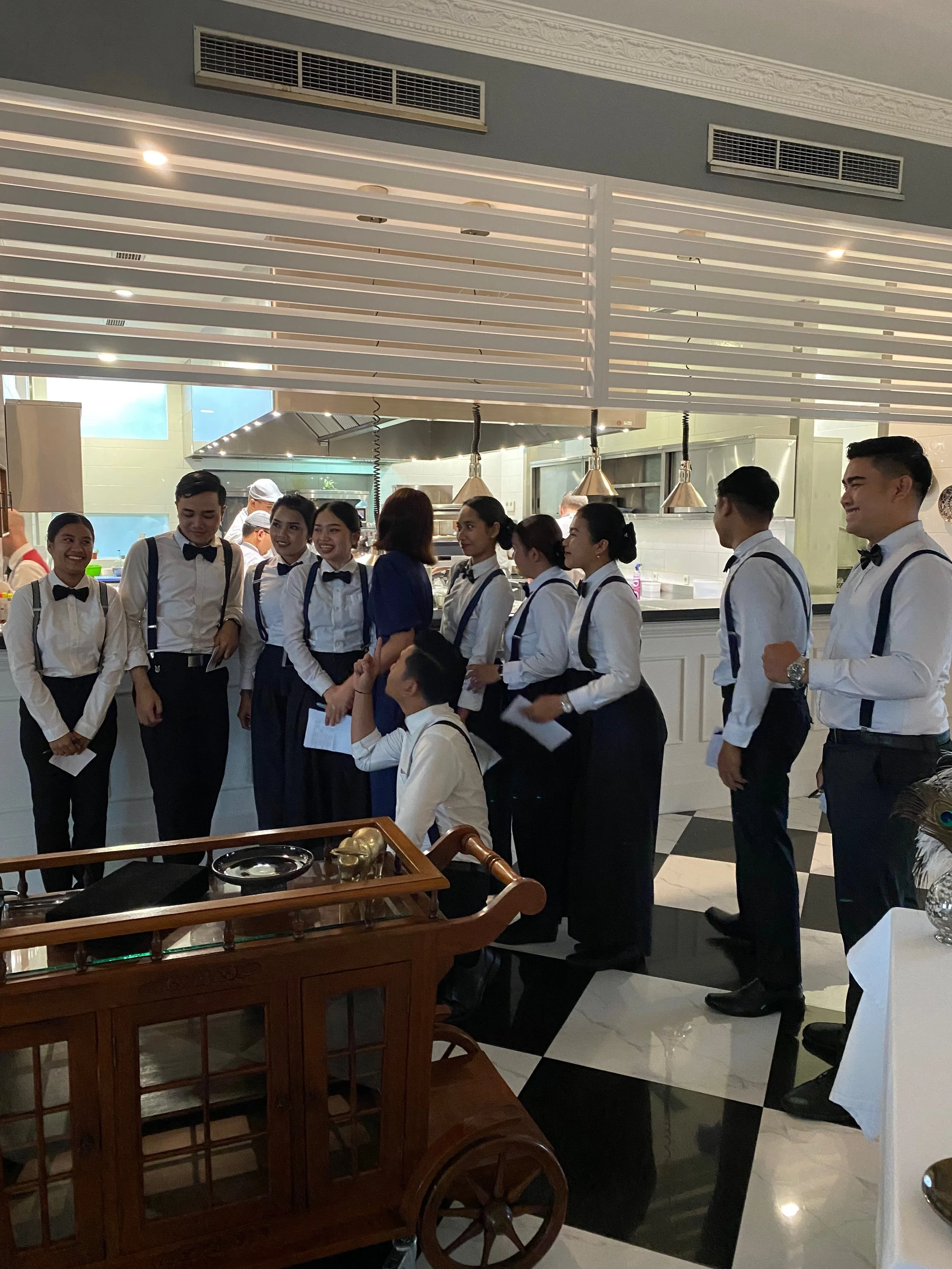
There are gay people everywhere, obviously
There's also something slightly strange about the way conservative destinations are sometimes discussed online, as though you cross the border and the gay population disappears.
It doesn't.
We've found LGBT communities throughout Asia. We've gone to big gay bars in Bali and Bangkok and tiny, almost anonymous places elsewhere. In Hoi An, we once went looking for a gay bar and found somewhere so low-key that there were barely any obvious signs outside that it was a gay space at all. It was simply somewhere people knew they could go, have a drink and be themselves.
Sometimes the gay scene is enormous and completely unapologetic. Sometimes it's twelve people in a little bar.
You can seek that out or ignore it entirely. We don't think being a gay traveller means your itinerary needs to become a tour of gay nightlife. Half the time we'd probably rather be discussing the hotel breakfast.
But we've also had some brilliant nights by deliberately finding the local scene, particularly when travelling with gay friends. It's a different way to understand a place and, where possible, support LGBT-owned or LGBT-friendly businesses.
Then there is the quieter version of it.
Anyone gay probably knows the phenomenon of gaydar going in both directions. We've had plenty of hotel staff who seem to clock us, and we clock them, without anyone making some grand announcement about their sexuality.
Conversation lasts a little longer at the table. Someone hangs around for a chat by the pool. Eventually they might open up about themselves, or perhaps they never explicitly say anything at all.
In parts of Asia where some gay men still feel unable to be open about their sexuality, those interactions can be quite touching. We don't want to overstate our role in them, but we like being able to create enough comfort that someone feels they can be themselves around us.
We've both worked in hospitality. We know that many of the people creating these incredibly welcoming environments for international guests may not have the same freedom to be open in their own lives.
That brings us to an important distinction.
Your holiday is not the same as somebody else's life
We have travelled to the Maldives many times as a gay couple and felt extremely comfortable.
Same-sex relations remain illegal there.
Those two statements can exist together.
A Maldivian resort is a very unusual environment. The staff can be incredibly international. The guests come from all over the world. The entire operation is built around hosting people from different cultures and backgrounds, often on a private island physically separated from everyday life elsewhere in the country.
Our experience as two tourists staying in a luxury resort is not evidence that a gay Maldivian experiences the country in the same way.
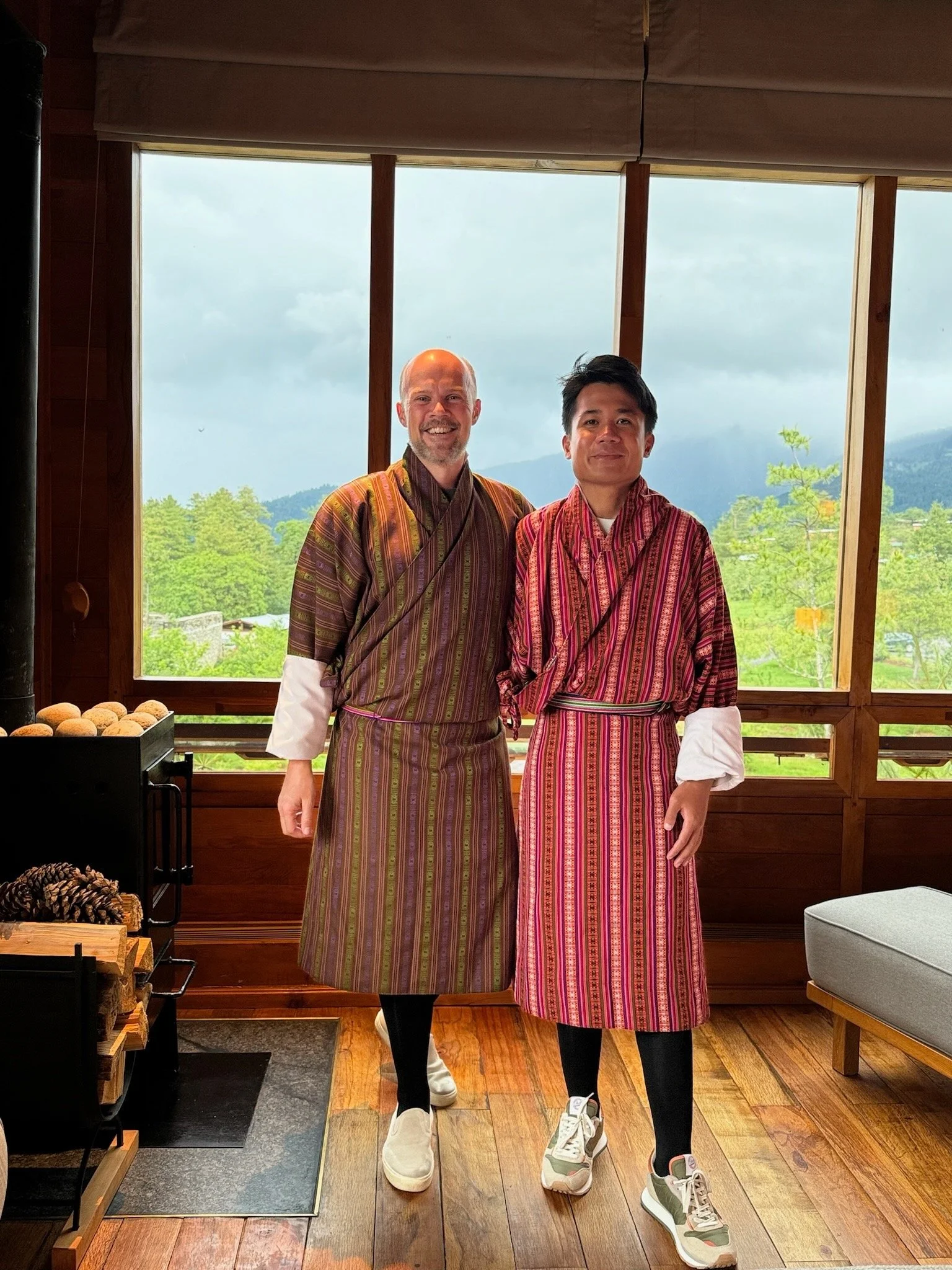
Bali raises a similar issue for different reasons. Wahyu is half Indonesian, we've lived and worked there, and we've always felt exceptionally comfortable as a couple. But Bali is Hindu-majority, international and heavily shaped by tourism. It isn't sensible to treat our experience in Bali as a blanket statement about every part of Indonesia, particularly when laws and attitudes vary regionally and Aceh operates under Sharia law.
Matt has also travelled to Saudi Arabia without Wahyu. He was fascinated by the country, wanted to experience it for himself and had no issues whatsoever on the ground. That doesn't change the fact that same-sex relations remain illegal there.
Going somewhere on holiday and building your life there are fundamentally different things.
We think it's important to acknowledge that without turning every positive travel experience into an apology.
Our holiday can have been completely comfortable while somebody else's reality is much harder.
Does travelling there mean you agree with the government?
This is where LGBT travel conversations can become very black and white very quickly.
There are gay travellers who won't visit a country where same-sex relationships are criminalised because they don't want their money supporting it. We understand that position.
We've made a different decision.
We've travelled to countries whose laws and governments we disagree with because we're still interested in their people, landscapes, hotels, food, history and culture. Matt going to Saudi Arabia didn't mean he had suddenly endorsed Saudi law. It meant he wanted to understand a country he was fascinated by rather than only experience it through headlines.
We don't feel particularly compelled to tell other LGBT people which choice they should make.
Travel is personal.
If a destination's laws mean you could never relax there, don't go. If you don't want to spend money there on principle, don't go. If you have researched the situation, understand it and still want to experience the country, that is the decision we have often made ourselves.
The only thing we would argue against is pretending the laws don't exist simply because our own holiday happened to be lovely.
So, are these countries safe for gay couples?
We understand why people type that question into Google. We've probably typed versions of it ourselves at some point.
But after years of travelling together, we think the question is almost too simple.
Safety matters, obviously. Before travelling somewhere unfamiliar, particularly a destination where same-sex activity is criminalised, you should understand the current law and official travel advice. Laws change, enforcement changes and one region of a country can be completely different from another.
Our experience isn't a guarantee of yours.
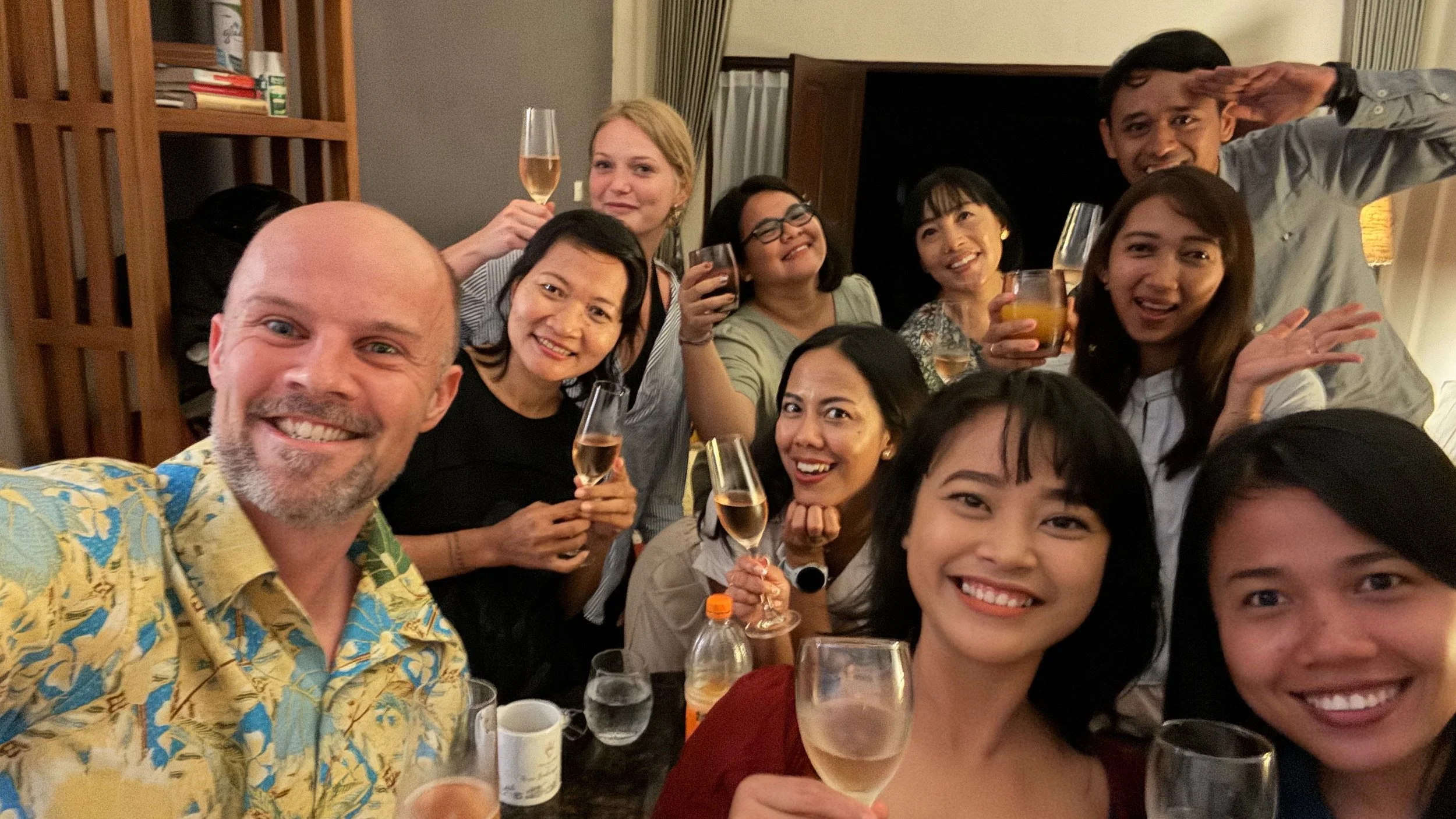
But if what you're really wondering is whether two men can arrive at a hotel in Bali, the Maldives or Dubai with one room and one king bed without causing an international incident, our experience has been reassuringly dull.
We've never been challenged.
We've never booked separate rooms because we're gay.
We've never requested twin beds to make somebody else more comfortable.
We've never been turned away from a romantic dinner or couples spa treatment.
Most of the time, nobody seems particularly interested.
And we think things have changed enormously for the better.
The details we notice now aren't usually about whether we're allowed to be somewhere. They're about whether a place has thought about us being there.
Did someone read the booking?
Does the welcome card have our names?
Did the hotel photograph only straight couples when it created its idea of romance?
Are there two sensible dressing gowns?
Does the member of staff simply say “king bed, correct?” and move on?
Did somebody making two tiny people out of leaves beside an aeroplane make both of them men?
None of these things is particularly dramatic.
But perhaps that's why they matter.
Because being safe means nobody caused you harm.
Being welcomed means somebody saw you.
After all these years travelling as a gay couple, we're grateful that the first part has overwhelmingly been our experience.
We're increasingly interested in who gets the second part right.
LGBTQ+ Travel FAQs
-
Our experience of Bali as a gay couple has been overwhelmingly positive. Wahyu is half Indonesian, we've lived and worked in Bali and have travelled extensively around the island without feeling that our relationship has caused us a problem.
That doesn't mean Bali should be treated as representative of the whole of Indonesia. Current UK travel advice notes that LGBT+ laws and attitudes vary regionally, with same-sex sexual activity specifically illegal under Sharia law in Aceh, and advises LGBT+ travellers to exercise caution and discretion in Indonesia.
From our own experience, however, Bali is one of the destinations where we think about being gay least.
-
Indonesia's legal position is more complicated than a simple nationwide yes or no. Same-sex sexual activity is illegal under Sharia law in Aceh, and there have been cases elsewhere in Indonesia where other laws and regulations have been applied in ways that discriminate against LGBT+ people. Indonesia's newer criminal code also contains provisions relating to sex and cohabitation outside marriage when complaints are made by certain immediate family members.
For travellers, the important point is not to assume that experience and enforcement are identical across such a large and diverse country.
Our personal experience in Bali has been extremely comfortable, but that is an account of travelling and living in Bali, not a declaration about the experience of every LGBT person across Indonesia.
-
Same-sex relations are illegal in the Maldives, and that needs to be understood before travelling.
Our own experience as a gay couple staying at Maldivian resorts has nevertheless been overwhelmingly positive. After extensive travel there, we've never been asked to hide our relationship, sleep separately or book twin beds, and we've booked romantic and couples experiences without issue.
The important caveat is that resort islands are highly international tourism environments. What we experience on holiday shouldn't be confused with the reality for LGBT Maldivians or necessarily assumed to apply everywhere outside the resorts.
-
We have stayed in the UAE without being told to book separate rooms or twin beds because we're gay. Our bookings normally have one room and one king bed, and we've never personally had this challenged.
However, same-sex sexual activity remains illegal in the UAE, same-sex marriages aren't recognised and current official travel advice warns that public displays of affection can lead to problems.
Our approach is not to disguise our relationship when booking a hotel, while still understanding and respecting the local laws and customs once we're there.
-
We never have.
After years of travelling together, we've never been instructed by a hotel to request twin beds simply because we're two men.
But “Muslim country” or “conservative country” covers an enormous variety of laws, cultures and hotel environments. Our experience at an international resort isn't a universal guarantee, so if a particular property or destination worries you, check current official advice and speak directly to the hotel before travelling.
-
In our experience, absolutely.
We've booked couples massages, romantic dinners and private dining experiences in destinations all over the world and can't remember a single occasion when somebody made the fact that we were two men into an issue.
For us, these experiences have generally been some of the most normal parts of travelling as a couple.
-
For us, it isn't necessarily a rainbow flag or an LGBT page on the hotel website.
It's whether the hotel makes you feel like the experience was designed for people like you as well as everybody else. That might mean getting the room setup right, removing automatic Mr and Mrs assumptions, addressing both guests properly, recognising that you're celebrating an anniversary, or simply treating a romantic booking as completely normal.
Some of the most inclusive hotel experiences we've had never used the word inclusive at all.
They just paid attention.
-
Not in any deliberate or dramatic way.
We don't pretend to be friends, request separate rooms or avoid arriving at immigration together. But we probably do read the culture around us and occasionally hold back on public affection without really thinking about it.
That feels comfortable to us. Another LGBT traveller might feel that having to make that calculation at all is too much of a compromise.
Neither response is wrong. It's part of deciding whether a destination is the right fit for you.
-
We don't think there is one correct answer.
Some LGBT travellers will understandably decide they don't want to visit or spend money in a country where people like them are criminalised. We have travelled to several such destinations because we don't see travelling somewhere as an endorsement of every law or policy of its government.
What matters is understanding the legal situation rather than pretending it isn't there, recognising that your experience as a tourist may be very different from that of LGBT people who live there, and making the decision that allows you to travel comfortably.
We can tell you where we've been and what it felt like.
Whether you go is ultimately yours.