Luxury Hotel Brands Explained: What Are You Actually Paying For?
Words by Matt and WahyuUnless otherwise stated, all images are our own. Please contact us before reproducing or using them.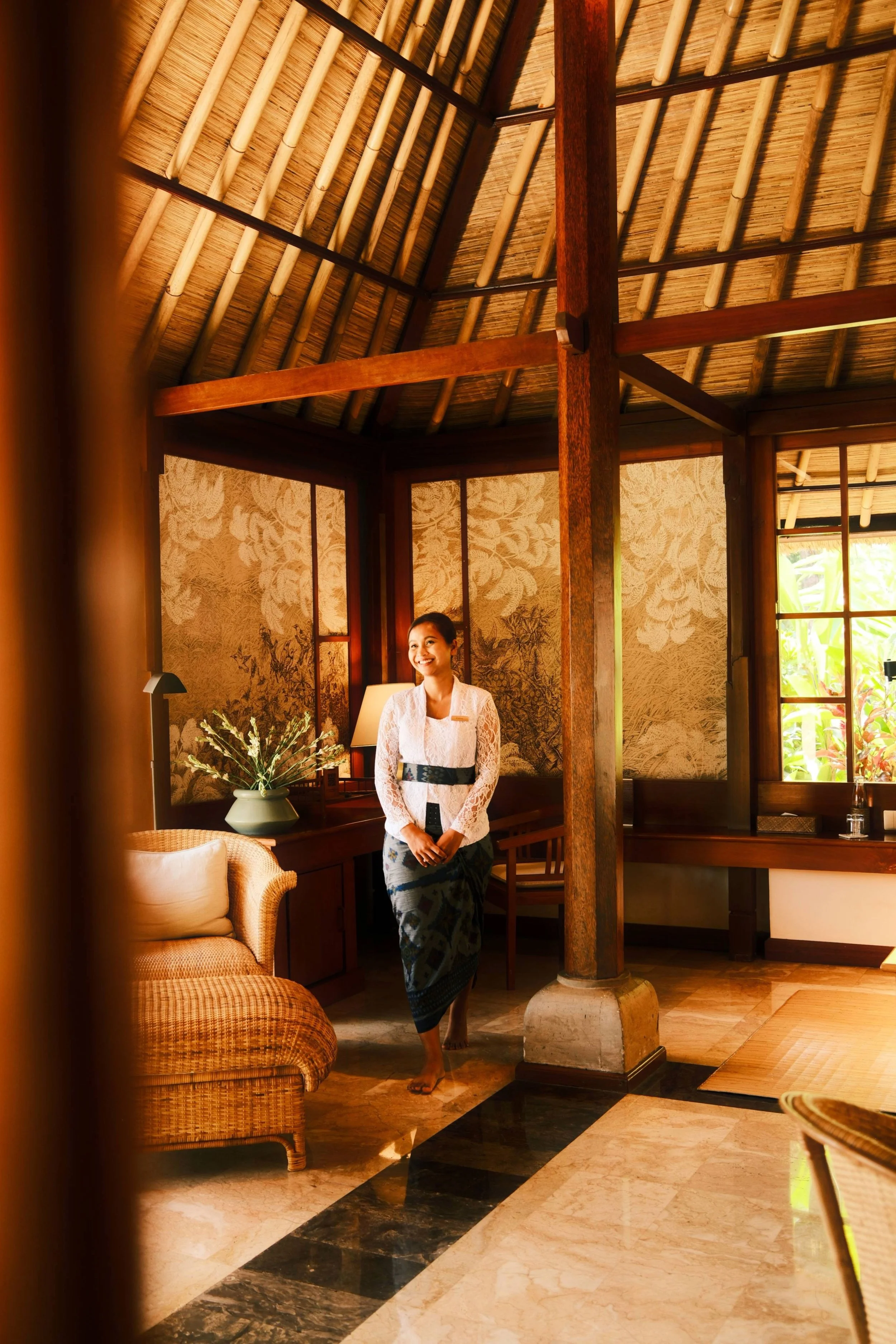
There was a hotel Matt worked at years ago where the soap in the bathrooms was quite literally called Luxury Soap.
There it was, stamped onto the bar. Luxury. Job done.
We still laugh about it because it sums up a problem that has only become more confusing. Luxury hotel. Luxury resort. Luxury lifestyle. Ultra-luxury. Almost everyone wants a piece of the word, yet it doesn't necessarily tell you very much about what will happen once you actually check in.
Most of us still use luxury as shorthand for top end. We see it and assume somebody has done the vetting for us. The hotel will be good. The service will work. The room will be beautiful. We can stop thinking about it.
After nearly 20 years working around travel and staying in more hotels than is probably healthy, we still don't think it's quite that simple.
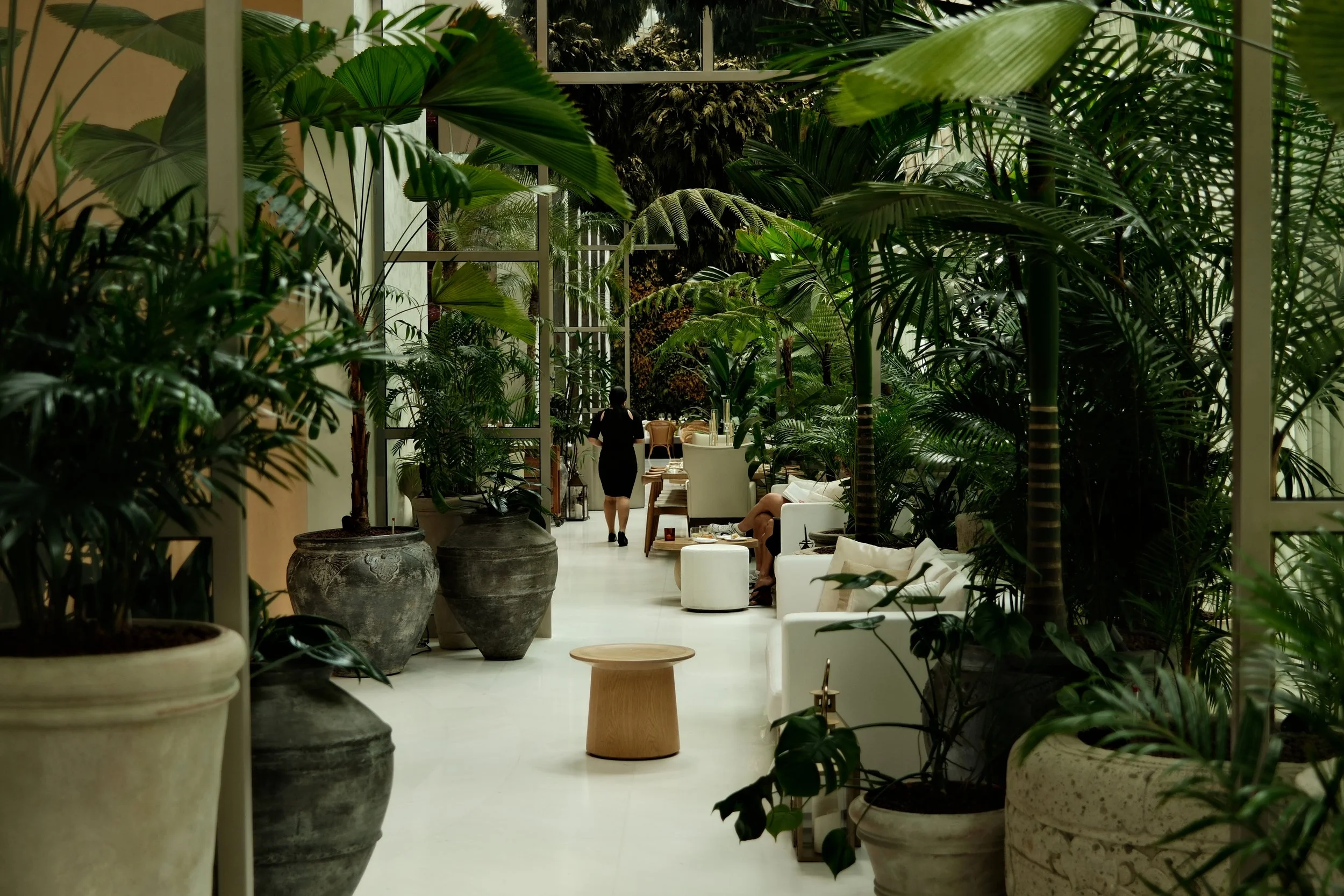
1. What does “luxury hotel” even mean anymore?
For us, real luxury has very little to do with expensive hardware or how many adjectives appear before the word suite. It is proper service, attention to detail, originality, quality that you can feel, and a level of care that suggests somebody has genuinely thought about what staying there should be like.
Sometimes it's a location that would be almost impossible to replicate. Sometimes it's the depth of the story behind a place. Sometimes it's simply that everything works so incredibly well that you stop noticing the hotel mechanics altogether.
Matt has a particular weakness for this last one.
Years ago, Four Seasons talked him through the amount of thinking that went into planning a hotel room, and something clicked. The things that cost money aren't necessarily the things a guest photographs. They can be the position of a plug, where your suitcase goes, the lighting beside the bed or the fact you don't have to move half the furniture around to make the room function.
You don't arrive and think, fantastic plug placement.
You just know the room feels right.
That is probably much closer to our idea of luxury than the word stamped onto the soap.
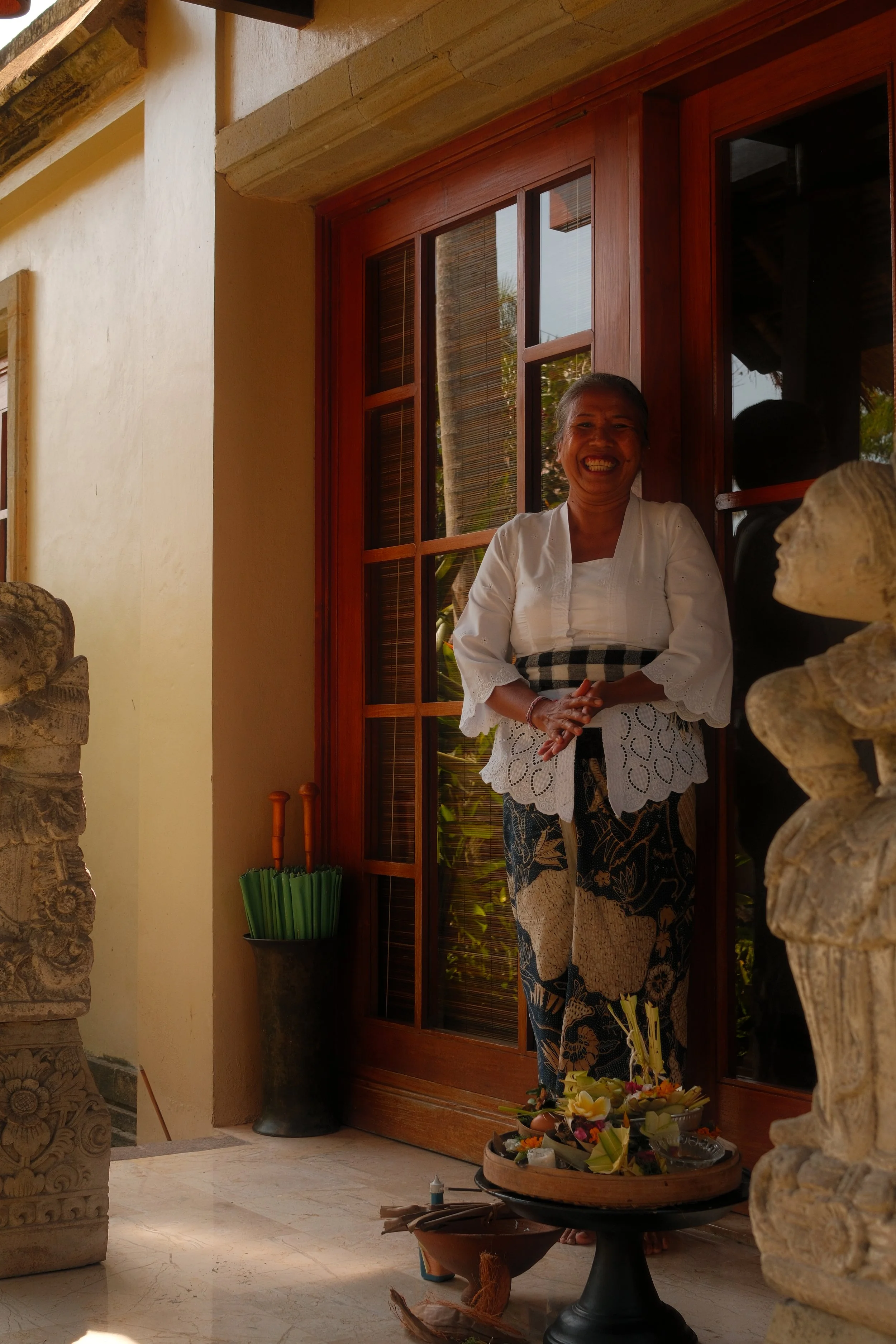
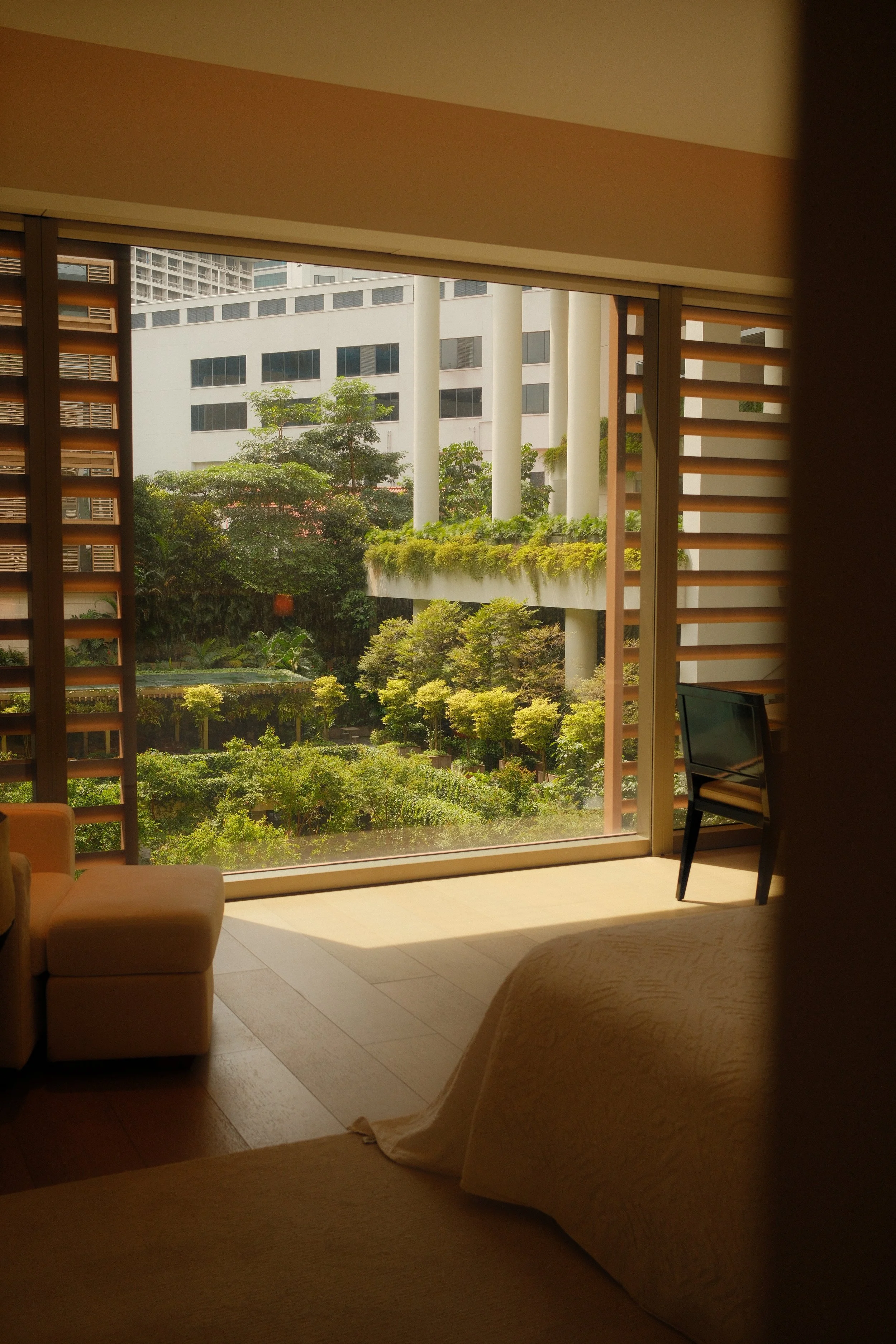
2. Do any of us really know what all these hotel brands mean?
This is where it gets messy.
Aman feels relatively easy to understand. Four Seasons creates a certain expectation. Ritz-Carlton brings another. But then start putting St. Regis, Fairmont, Conrad, JW Marriott, Park Hyatt and InterContinental beside one another and how many normal travellers could genuinely explain the proposition of each?
We're not sure we always could.
And we're travel people.
In reality, when somebody is choosing between them, we suspect the decision often comes down to something much more ordinary: which one is in the best location, which has the nicest pool, which room looks better, what the reviews say and, inevitably, what it costs.
The Maldives is perhaps the clearest example of this.
We've now stayed at more than 30 resorts there, and helping people work out where to stay has shown us just how overwhelming the choice can be. Virtually every brand under the sun seems to have arrived, and to someone researching their first Maldives trip, the photographs can start looking remarkably similar.
Blue lagoon. Water villa. Private pool. White sand. Perhaps a floating breakfast if we're really going for it.
You have Conrad and Hilton. Ritz-Carlton and St. Regis. W, Pullman, Radisson Blu, Six Senses, Anantara and dozens of smaller groups and independents most people may never have heard of before they started searching.
One question we get surprisingly often is about resorts such as Pullman or Radisson Blu. There is nothing inherently wrong with that, but it makes us wonder how much of the attraction is familiarity. You already know the name. It feels safe. Perhaps you have points.
But should familiarity be deciding which Maldives island you spend a once-in-a-lifetime holiday on?
Even Hilton is interesting. Conrad Maldives has been famous for years, so what does adding a Hilton-branded resort give the traveller? The hotel companies will have their own commercial answer, but from the guest side, the more useful question is simpler:
Do you actually know what experience the name is promising you?
Brand recognition and hotel fit aren't the same thing.
3. What the famous name genuinely gives you
None of this means brands don't matter. They do.
A strong hotel brand can give you reassurance around standards, systems, training and what happens when something goes wrong. You may have stayed with them before. You recognise the service style. You have some idea of what your room will feel like before you even arrive.
And sometimes that reassurance is incredibly valuable.
We once stayed at a Four Seasons where the air conditioning in our room properly gave up. They tried to fix it and couldn't. But there was another room available, the move was handled quickly, and much of our packing was done for us.
It wasn't glamorous. Nobody sabred a bottle of champagne or drew us a rose-petal bath.
The air conditioning broke.
But the problem became theirs rather than ours.
That is an underrated form of luxury: resilience.
What happens on the bad day?
Matt once worked at an independent hotel where the owners were quite happy to fill every room and essentially worry about the consequences later if something went wrong. It worked brilliantly right up until, inevitably, something went wrong.
That doesn't mean every branded hotel has a spare room waiting or every independent is winging it. Far from it. But larger operations can provide a degree of structure and backup that you are partly paying for even if, hopefully, you never need it.
The famous name is also a shortcut. There is social currency in it, whether we like admitting that or not.
We've stayed at Velaa Private Island in the Maldives, which remains one of the best hotel experiences we've ever had, yet mention Velaa outside certain travel circles and people may not know what you're talking about. Say Ritz-Carlton Maldives and there is a much better chance they've seen the overwater villas or the drone shots online.
Brands are very good at making themselves known.

4. When the system works, and when it gets in the way
The strange thing about hotel standards is that they can create some of the best moments in a stay.
At Four Seasons resorts we've had snacks appear by the pool, sunglasses cleaned and face mist offered at precisely the moment when lying in tropical heat starts to feel like a questionable life choice. None of this is accidental. Someone has designed those little moments and made sure they happen.
Good systems can create genuine delight.
The challenge comes when the system becomes the hospitality.
One of our favourite service memories happened at Amanpuri in Thailand. It was checkout day and absolutely pouring with rain. Matt was by the pool having afternoon tea when the head of housekeeping came to find him.
The housekeeping team had noticed some clothes he'd left hanging outside to dry had become soaked. Without being asked, they had taken them away, were drying them and would have everything ready before he left for the airport that evening.
It is such a small thing.
And that is exactly why we remember it.
Nobody complained. Nobody requested anything. Someone noticed what had happened, understood why it might become a problem later and quietly solved it before Matt had even thought about it.
You can't write an SOP for every version of that.
For us, the best luxury hotels create enough structure for everything to work without removing the space for people to be people. A slightly unfiltered server who tells us about themselves while pouring the wine may technically be less polished than someone executing every service step perfectly.
We'll probably remember them more.

5. Expensive isn't the same as luxurious
This is perhaps what frustrates us most about expensive hotels.
You can walk into somewhere that has spent an extraordinary amount on stone, art and an enormous lobby, then discover the gym is the size of a cupboard because apparently every spare square metre had to become another bedroom.
Or there is nowhere pleasant to sit outside your room.
Or the breakfast restaurant clearly wasn't designed for the number of guests the hotel can accommodate.
Or you ask to take your coffee away from breakfast and hear:
Sorry, we'd have to charge you for another one.
At a very expensive hotel.
These things sound trivial until you're actually staying there. Luxury today is surely as much about ease as it is about expense. The hotel should work around the way people use it, rather than expecting the guest to work around the hotel.
We notice room categories in the same way.
Deluxe. Premier Deluxe. Grand Premier. Grand Premier Ocean View. Grand Premier Ocean View Preferred Location.
We exaggerate.
Slightly.
If we're paying significantly more for a suite, we want it to feel meaningfully different from a room. If we're paying for a better view, it should probably be a much better view. Sometimes expensive hotels become incredibly sophisticated at monetising tiny differences without necessarily improving the experience by the same amount.
This is why price and luxury can't be treated as synonyms.
Some hotels are extremely good at investing in the things that sell the room and strangely average at investing in the things that make you enjoy staying in it.

6. Why we're still drawn to independents
Despite everything a big brand can offer, if we have a choice between flawless predictability and something with a little more personality, we nearly always start leaning towards the latter.
Part of that is because the best independent hotels can accumulate layers that are difficult to manufacture.
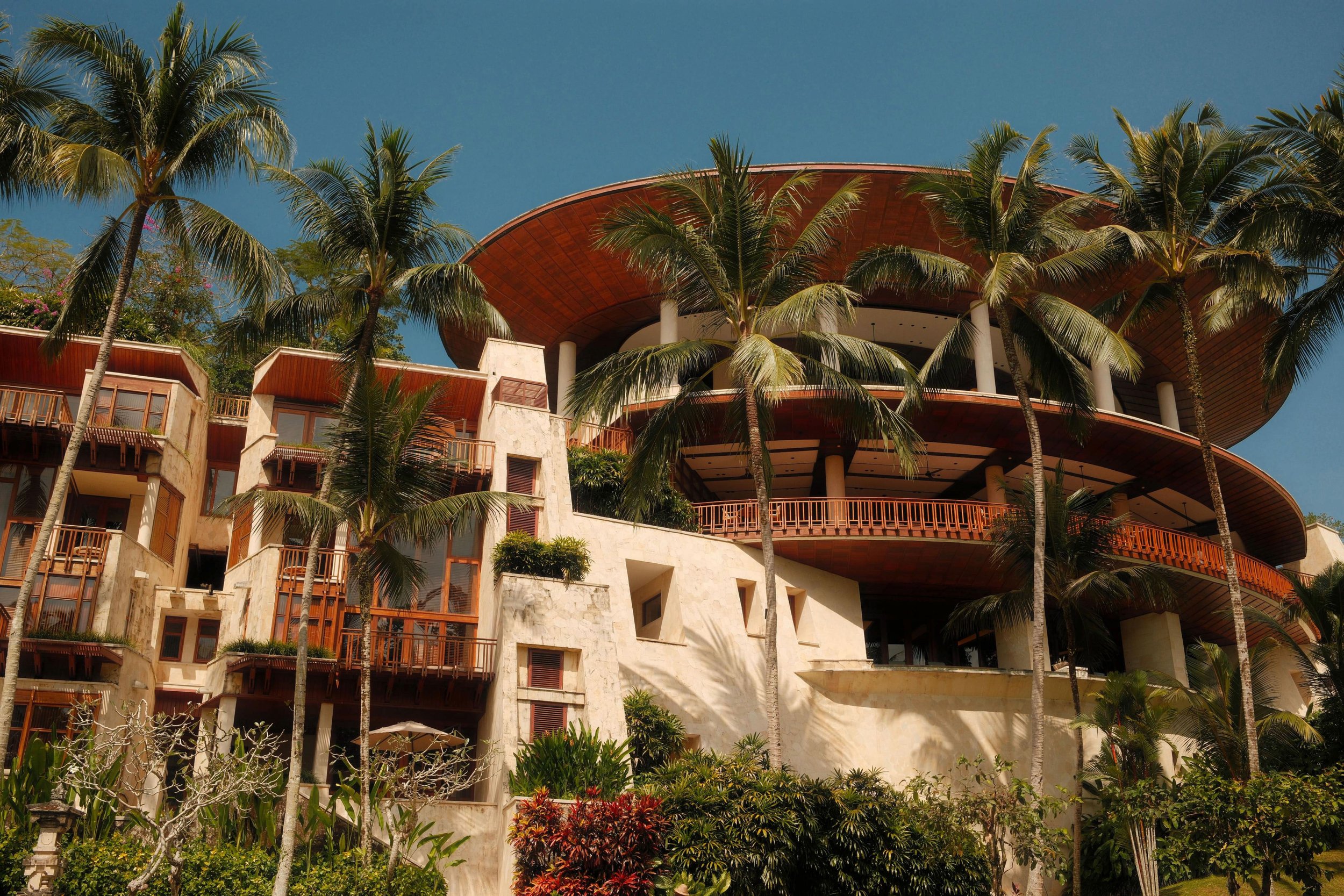
Matt saw this firsthand working at Viceroy Bali in Ubud. It's a family hotel that has grown and evolved over the years rather than arriving as one perfectly finished concept. The owners are around. Longstanding staff give the place continuity. There is a connection with the surrounding community, and the things the family cares about inevitably find their way into the guest experience.
Food is a good example. You can have a serious fine-dining experience there, but the club sandwich is also weirdly memorable.
That sounds almost irrelevant, but it isn't. It tells you something about the hotel. Not every decision has been made because it neatly fits a brand positioning document.
Velaa is the more extreme version of owner conviction. The gym is completely ridiculous, and we mean that as the highest compliment. The landscaping is extraordinary too, but more than any one facility, it is the relentlessness of the quality that stays with us. Everywhere you go, you get the impression somebody has asked whether something could be better and then actually spent the money doing it.
Sometimes luxury really is someone saying:
No. Better.
NIHI Rote gave us another version of the same feeling. At the heart of the hotel is a hospitality academy training young local people. It would undoubtedly be easier to build a luxury resort around an already experienced team and polish every rough edge away before the first guest arrived.
Instead, the academy is part of the DNA of the place.
We like that it takes guts. It makes the hotel feel as though it stands for something beyond simply creating the smoothest possible version of a luxury stay.
These three hotels are wildly different, but there is a common thread: you can feel somebody's priorities.
Which brings us to one of the simplest ways we research an independent hotel.
Follow the money.
Where did the owner choose to spend it?
Maybe it's art. Maybe food. Landscaping. Wellness. Architecture. Bedrooms. Staff.
There is no correct answer, but there is a useful second question:
Do they care about the same things you care about?
If an owner has spent millions on an extraordinary art collection but the bedrooms feel bleak and the pool has twelve sunbeds, that may be somebody else's perfect hotel.
We'd probably take the pool.
7. But the independent risk is real
Independent hotels are very easy to romanticise.
We do it ourselves.
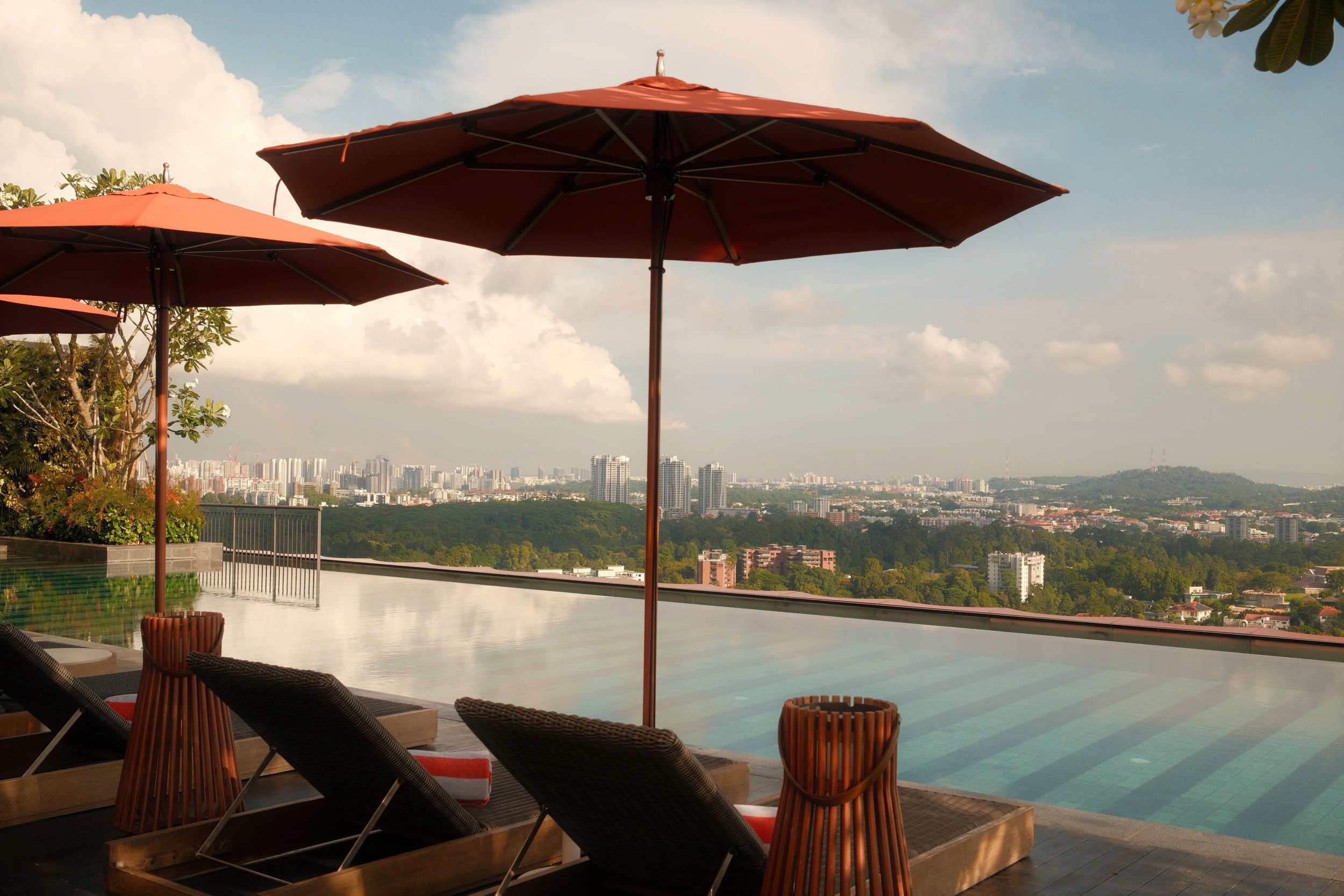
The things that make them brilliant can also make them fragile. Perhaps the chef who has worked there for 20 years and gets mentioned in every glowing review happens to be away during your stay. Maybe your room category contains four supposedly equivalent rooms, except all four are completely different and you've somehow received the one that never appears online.
Perhaps the charismatic owner isn't around. Maybe the GM who made everything work has left. Perhaps there is construction next door that nobody thought to mention.
And when something genuinely breaks, there may simply be less room to manoeuvre.
Personality doesn't excuse bad maintenance. “Boutique” isn't another word for dysfunctional. We are perfectly happy accepting a little roughness around the edges, but only when the fundamentals underneath it are good.
That distinction matters.
We aren't looking for imperfection for the sake of it. We're looking for places where not everything has been filtered through the same machine.
8. How we decide whether an independent is worth the gamble
We don't have a scientific formula, but we have developed a few habits.
First, we follow the owner. Can we work out who created the hotel, why it exists and what they seem to care about? Sometimes that story tells you more than the amenities list.
Then we follow the money. Where has the investment gone, and does it match what matters to us?
We also try to work out who the hotel is actually for. This is easily overlooked. Some places are brilliant wedding hotels. Others skew heavily corporate during the week. Some are built around families, wellness retreats or large groups. None of those things are bad, but you don't want to discover halfway through a special holiday that you've accidentally booked someone else's perfect hotel.
Location gets investigated almost obsessively. Google Maps is one of our favourite hotel research tools. What's next door? What sits behind the building? How close is the road? What has been carefully cropped out of every photograph?
Reviews matter too, but we look for specifics rather than obsessing over the overall score. Do guests keep mentioning the same staff by name? Are repeat guests returning year after year? Is one room number mysteriously disliked by everyone? Does the chef feature in half the reviews?
Outside recognition can help as well, but we'd never outsource the whole decision to an award, list or affiliation.
And then there is Matt's slightly ridiculous air-conditioning test.
If he sees a big white split-unit AC box hanging high on the bedroom wall, suspicion immediately rises.
Sort of joking.
Sort of not.
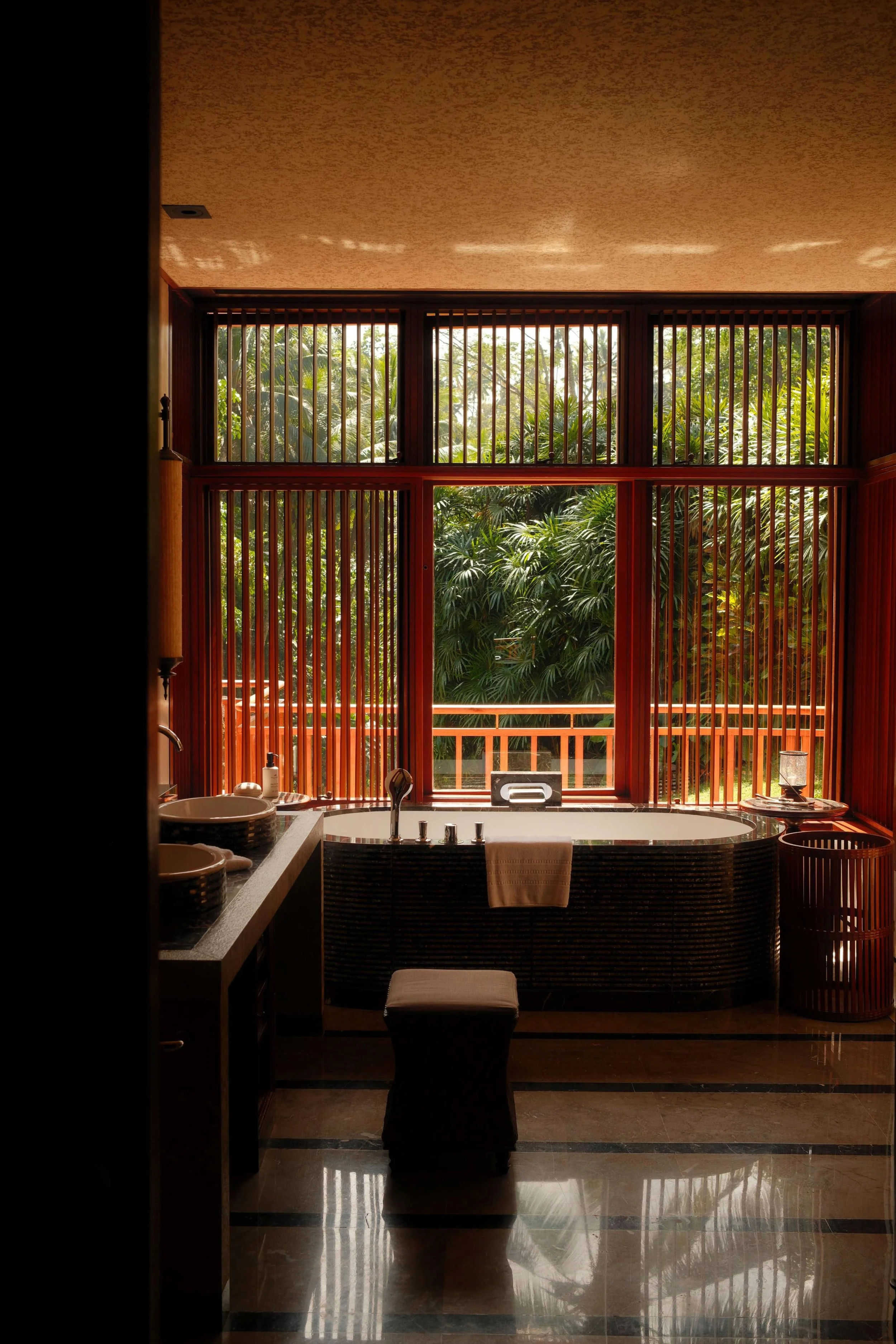
Tiny construction details can reveal where compromises were made, just as a beautiful hidden ducted system can suggest somebody spent money on things most guests will never mention in a review.
You start collecting these odd little tells after enough hotels.

9. The hotel we'd choose
One of our favourite hospitality moments happened at Ceylon Tea Trails in Sri Lanka.
The chef came to our room and asked what we liked eating. Not which option we wanted from that night's menu. What we actually liked, so that they could try to incorporate it into one of our meals.
We loved it.
There was nothing particularly theatrical about the interaction. No gold trolley. No elaborate performance of luxury. Somebody simply wanted to understand us before deciding what hospitality should look like.
And perhaps that gets to the heart of what we're looking for.
If you offered us two hotels at exactly £750 a night, one promising almost flawless five-star execution and another that looked perhaps 15% rougher around the edges but had much more personality, we would almost always take the second.
Not because we enjoy things going wrong.
Because that little bit of unpredictability leaves room for something unexpected to happen.
The server might tell you something they weren't trained to say. The owner might have built something slightly ridiculous because they loved it. The chef might come and ask what you actually fancy eating. The building might have strange corners because it grew over decades rather than arriving fully formed from a brand manual.
There are absolutely times when we'll choose the famous name. Arriving exhausted in an unfamiliar city, needing a complicated trip to work smoothly or simply wanting the reassurance of something known can make a Four Seasons or another established brand enormously appealing.
But when the hotel itself is part of the reason we're travelling, we're much more willing to take a risk.
Because after all the brands, standards, design concepts and increasingly complicated room categories, some of our favourite stays have been defined by things nobody could have promised us on the website.
Maybe that's what luxury has become for us.
Not the word stamped onto the soap.
Not even the name above the door.
It's the feeling that somebody cared enough to make the place far from average.
The brand is a clue. It just isn't the answer.